Pages of Love, Fear and Resistance
Before we dive into Nonna Lella’s diaries, a brief historical context for the years she and Mario lived through, like so many others of their generation.
Between 1943 and 1945, Italy and the world endured some of the most harrowing years of the World War II. The Armistice of 3rd September 1943 - signed in secret and announced publicly on the 8th - ended Italy’s alliance with Nazi Germany and plunged the country into pure chaos. The Italian army collapsed, German forces swiftly occupied much of Northern and Central Italy, and the Allies advanced slowly from the South. Towns and villages were caught between shifting fronts, air raids, and constant bombings. For civilians, daily life became defined by scarcity, displacement, and the uncertainty of what the next day might bring.
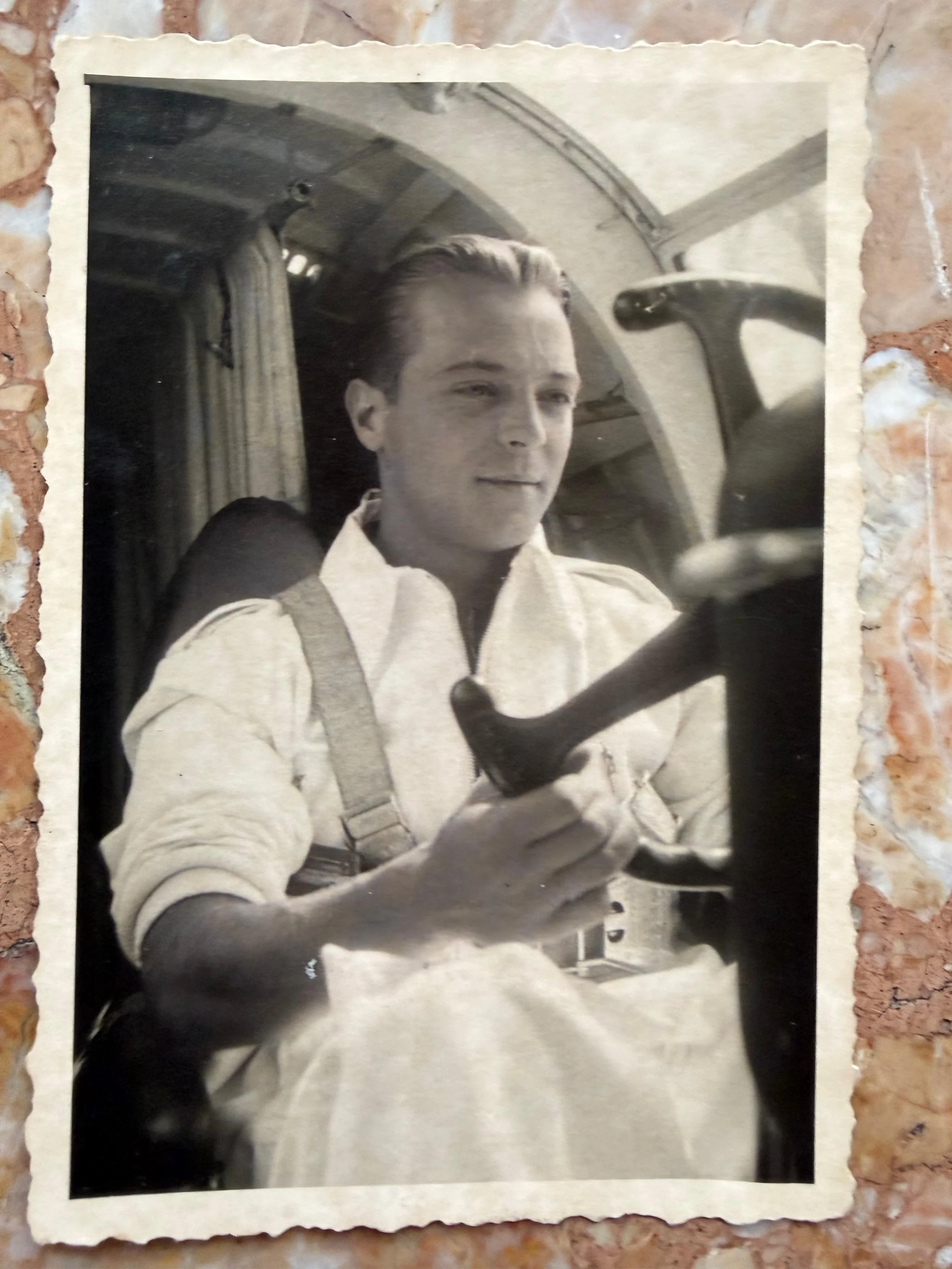
Our Grandparents experienced these years as a newly-wed couple, separated by duty and circumstance. On the day of the Armistice, Mario, then a Lieutenant in the Italian Air Force, was compelled to flee Torre del Lago’s military airfield with his squadron to join the Allies in Elmas, Sardinia, taking up the fight against the occupying German forces. Lella remained behind with her family in Castiglioncello, facing the daily dangers of life under occupation.
For eleven long months, Nonna received no news of him. She lived under the constant threat of air raids, hiding whenever military aircraft roared overhead, covering her head with a pillow when they dropped bombs nearby her house, facing scarcity and hunger and carrying, day after day, the unbearable weight of not knowing whether Mario was even alive. Every week she cycled for over an hour to the Red Cross office in Castellina, standing before freshly posted lists of the caduti, reading with dread, hoping each time not to find his name. In that suspended time, she formed a quiet sisterhood with other women who shared the same fate of waiting, searching, enduring their beloved ones.
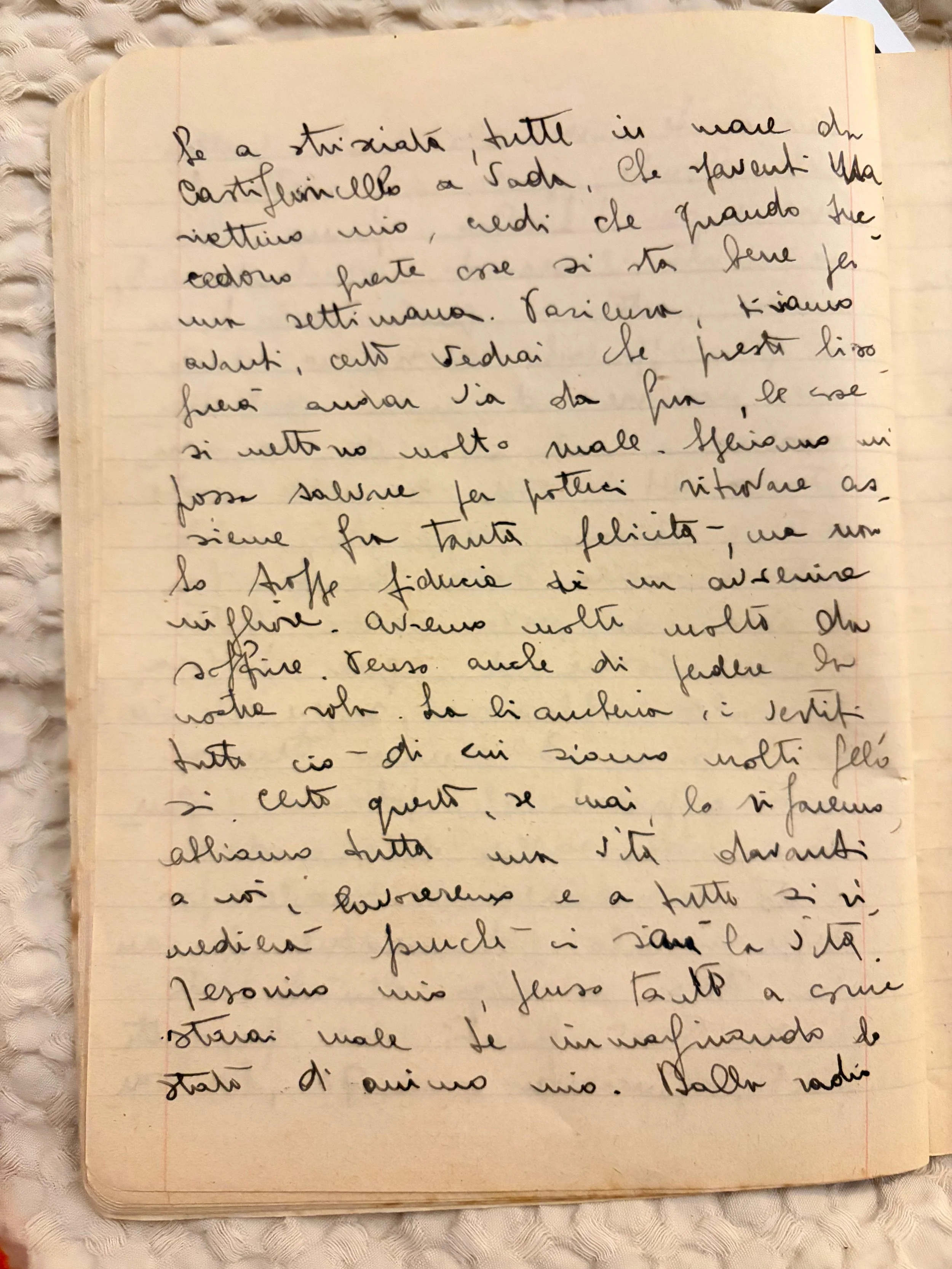
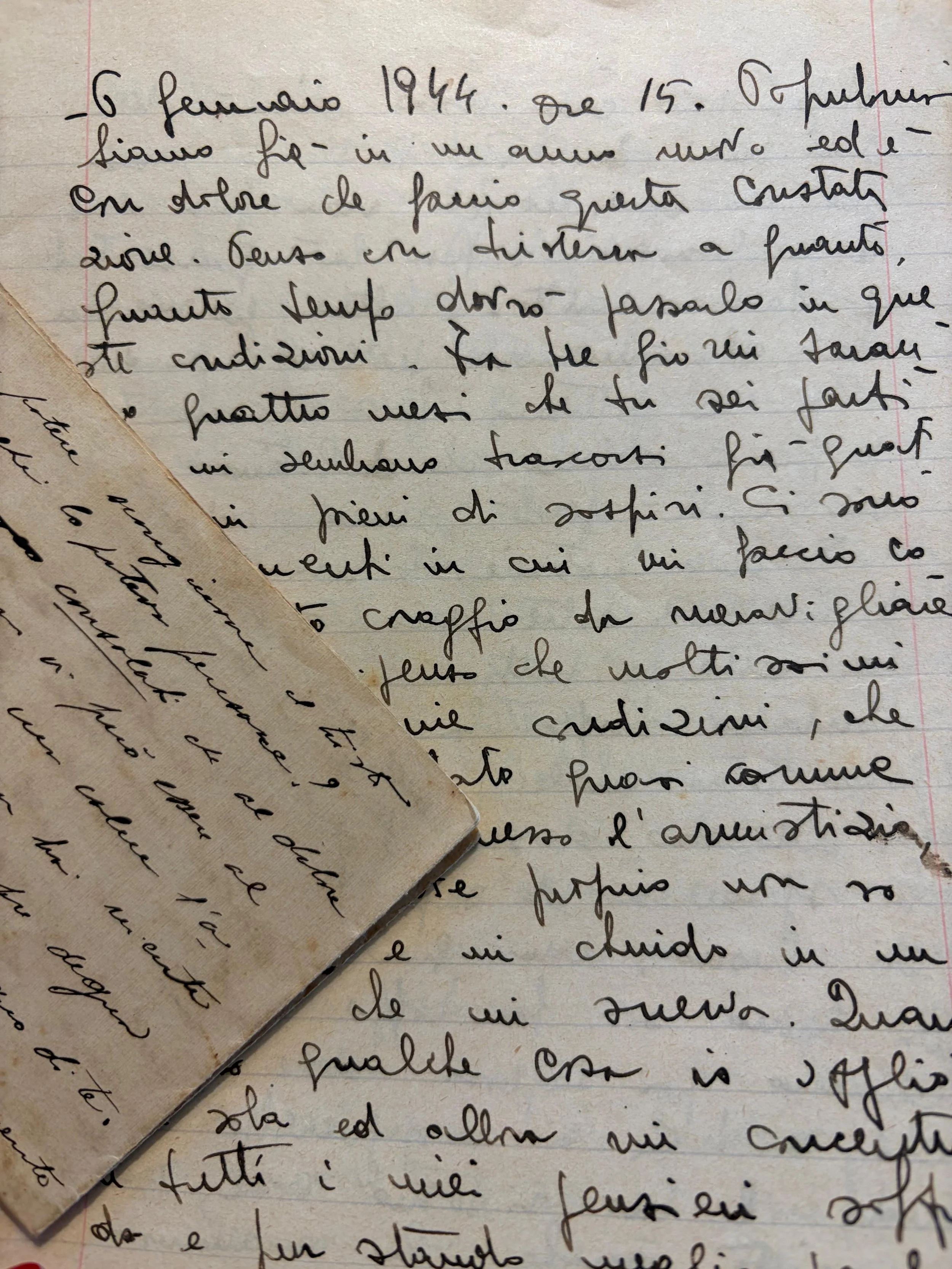
She began writing these diaries to sustain an imagined dialogue with Nonno: letters she could never send and that at the time could never reach him, perhaps letters she hoped he would one day read when he was back from the war. But writing was also a way to survive to her: as she often told her mother, half-joking about her constant need to write, “This, for me, is a vent, a form of release.”
The pages that follow trace her days and her emotional journey through the final two years of WWII: the ordinary and the extraordinary; the fleeting surges of hope, moments of doubt and self-questioning of her identity as a woman, and the slow, unsettling adaptation to life under constant threat. They speak of hiding from the German army in caves fifty metres underground, writing by candlelight with the last remaining pencil, and learning to live with the unbearable sense that life could end at any moment under the continous bombing of summer 1944…slowly becoming accustomed to fear, to Fate, and to the idea of death as a possibility every day.
Alongside the diaries, we have included rediscovered letters written in her relentless search for news of Mario: messages sent to colleagues in the Italian Air Force, to family members, to the Vatican, and even to the Airforce authorities in Nazi Germany. With equal parts resilience and desperation, Nonna pursued every possible lead in the hope of learning his fate. Together, these documents allowed us to reconstruct the long, exhausting quest for information that unfolded alongside her most private, heart-breaking words during the final 2 years of WWII.
“My treasure, I carry you with me always. You cannot imagine the emptiness I feel in your absence.”
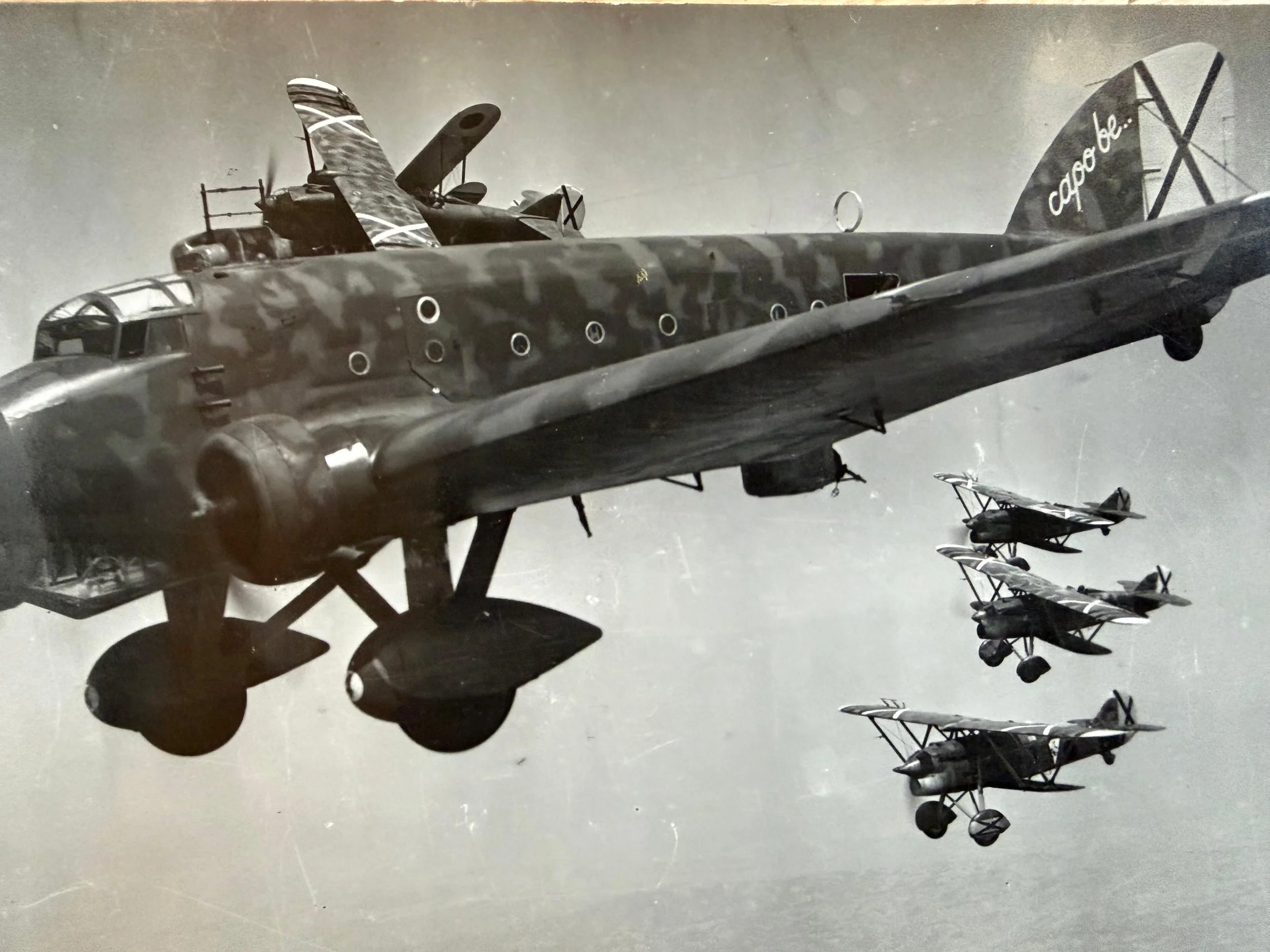
CANT.Z 506, the aircraft Mario flew during the Second World War
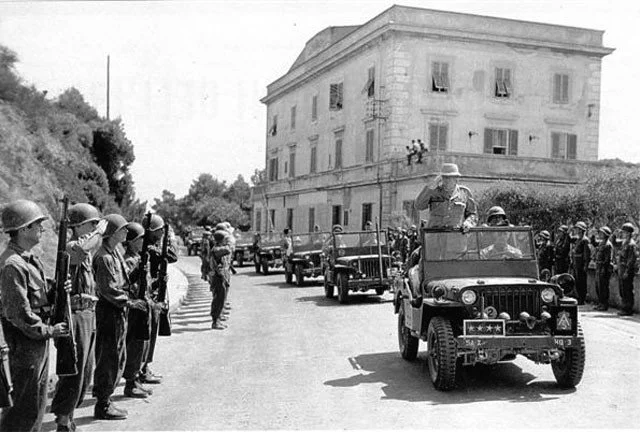
Winston Chuchill entering Castiglioncello with Allies, August 1944
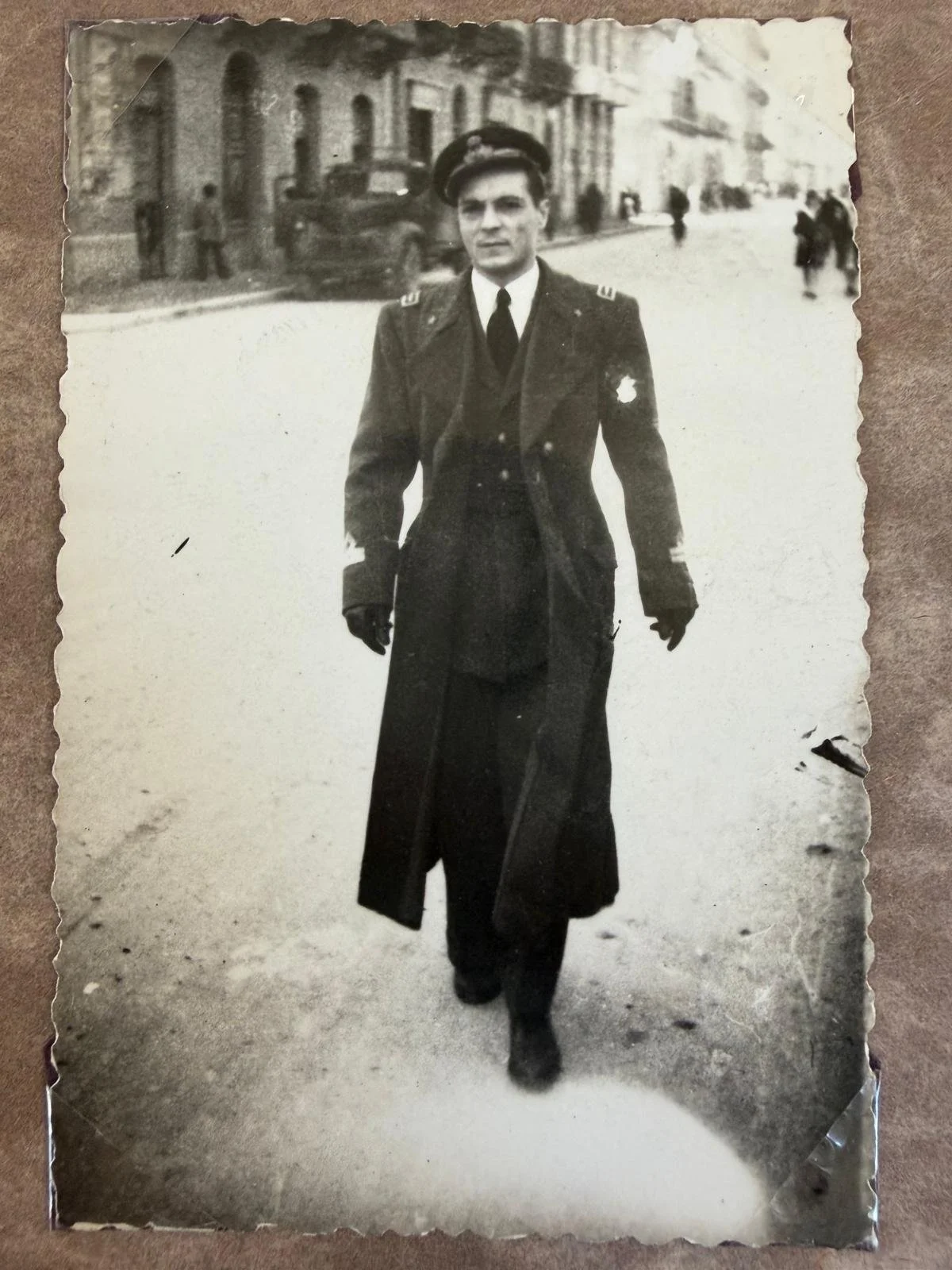
Nonno Mario, circa 1944
The Diaries
The three diaries that follow, written between 1943 and 1944, record Nonna Lella’s daily life under WWII. Penned in ink (and, when the ink ran out, in pencil), they offer an unfiltered window into life under unprecedented events and conditions. They start on 10th October 1943.
During these years, Nonna moved between Castiglioncello, along the Tuscan coast, where her family lived, and Riparbella, in the Val di Cecina hills, where they also had a second, smaller house. Her writing captures the rhythms of ordinary life interrupted by hiding from air raids, food shortages, and the anxiety of never knowing whether the next day you would be alive.
It was in Riparbella that Nonna lived through the last, harrowing days of Tuscany’s Liberation from the Germans in the summer of 1944: a time marked by both terror and extraordinary courage, when local communities joined the Italian Resistenza to reclaim their homes and lives.
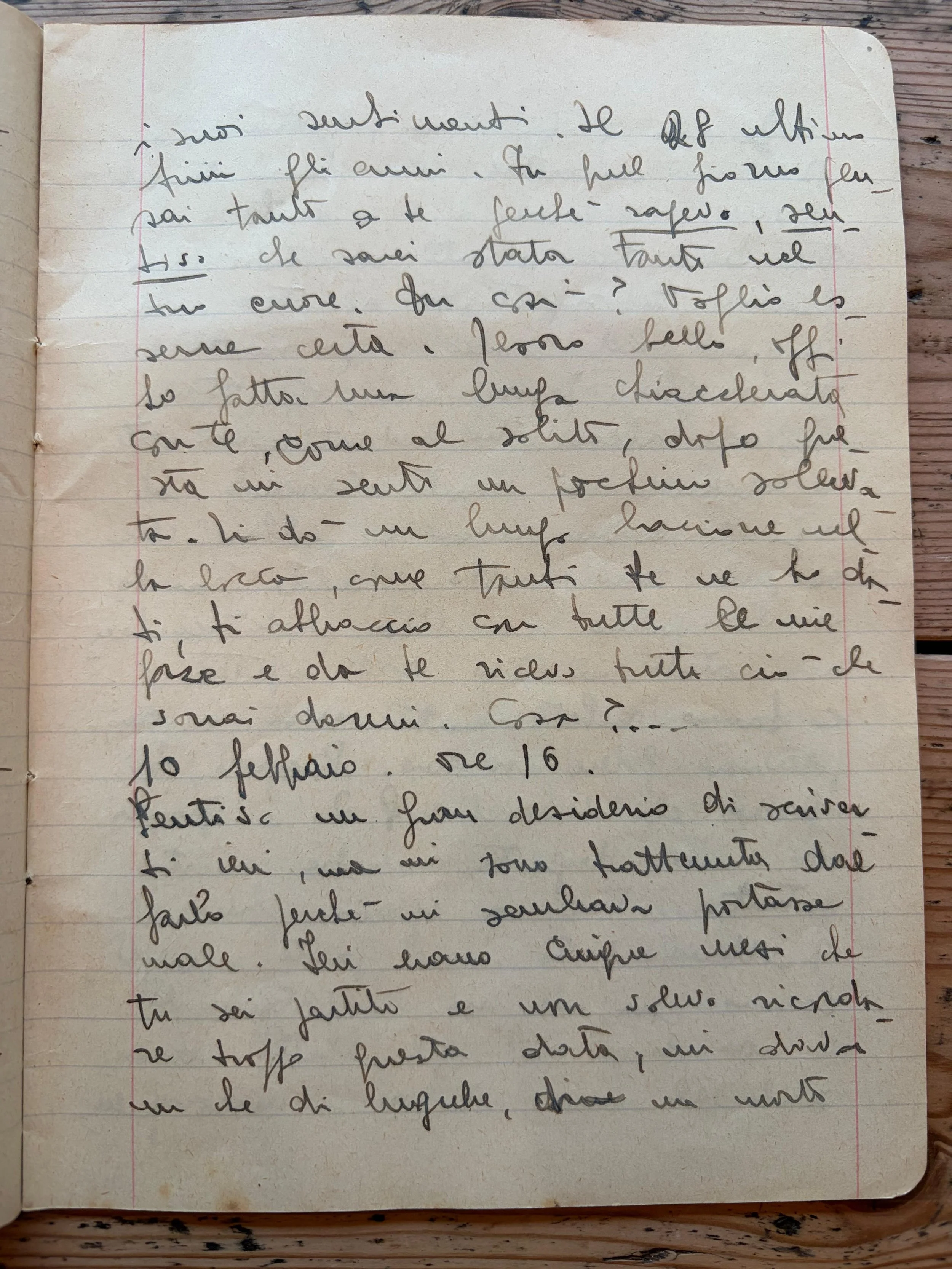
DIARIO 2. 10 Febbrario 1944, 4pm. “Notti vuote”
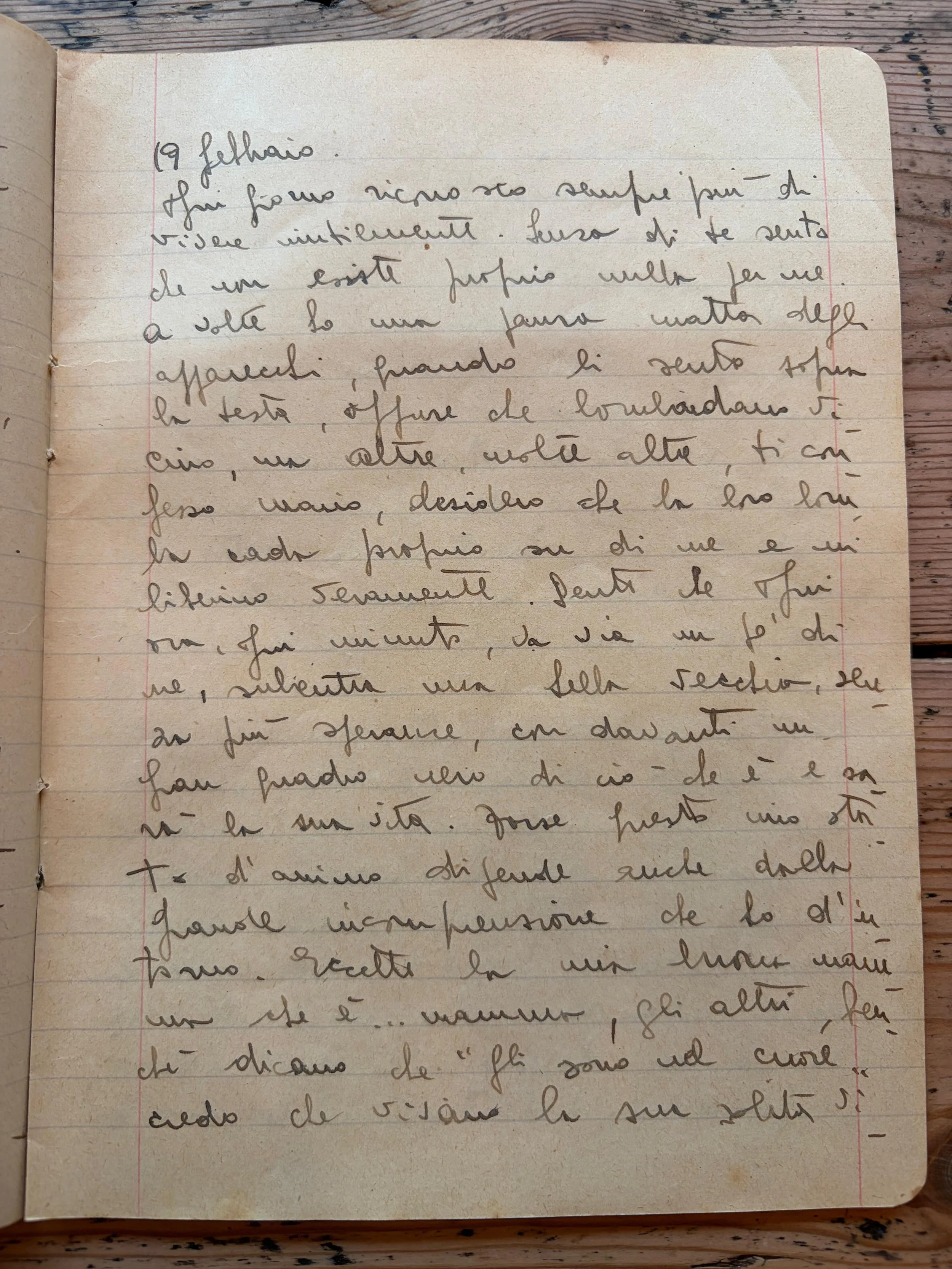
DIARIO 2. 19 Febbrario 1944. “Madonnina”
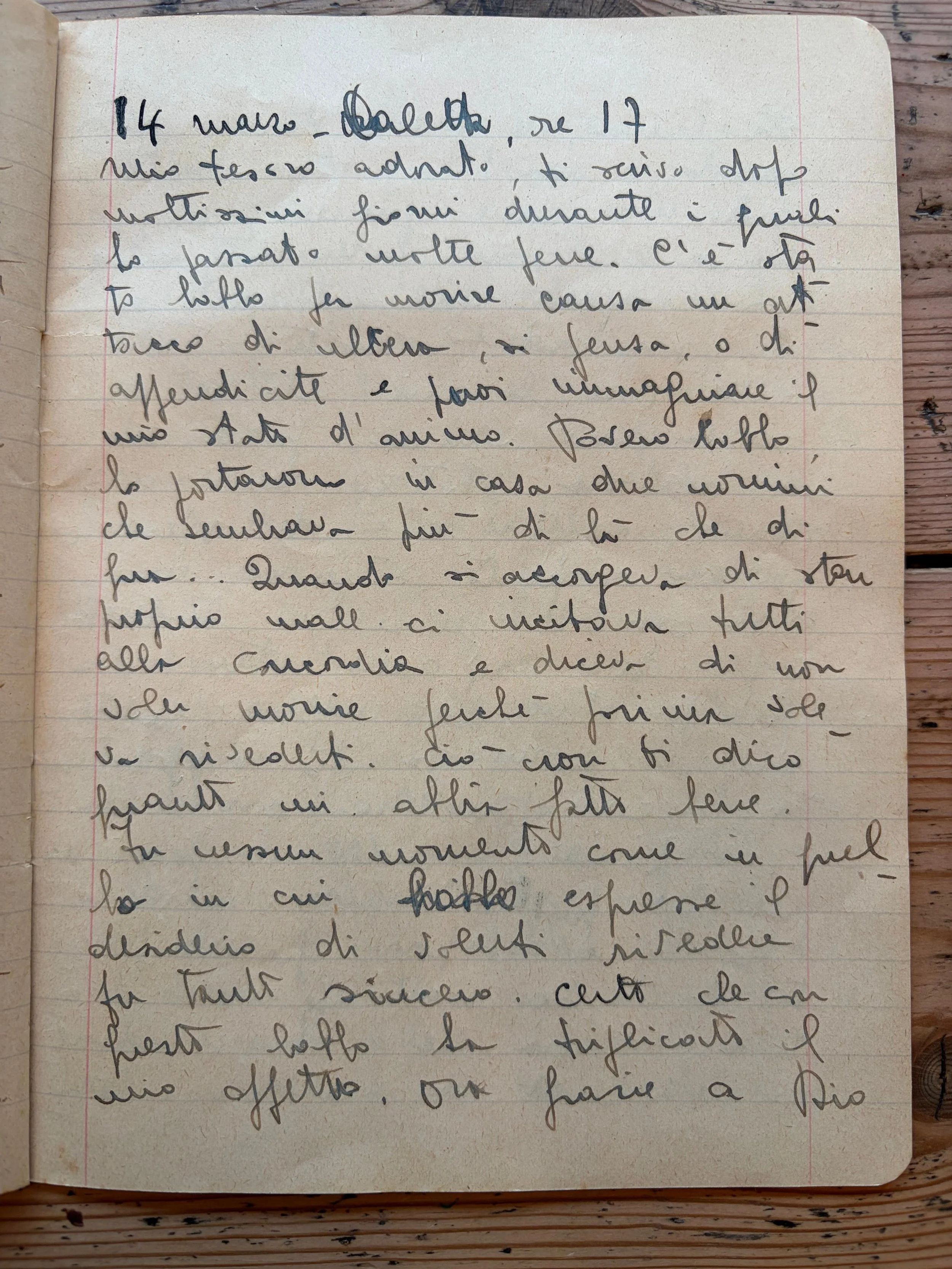
DIARIO 2. 14 Marzo 1944, 5pm. “Spegnendomi poco a poco”
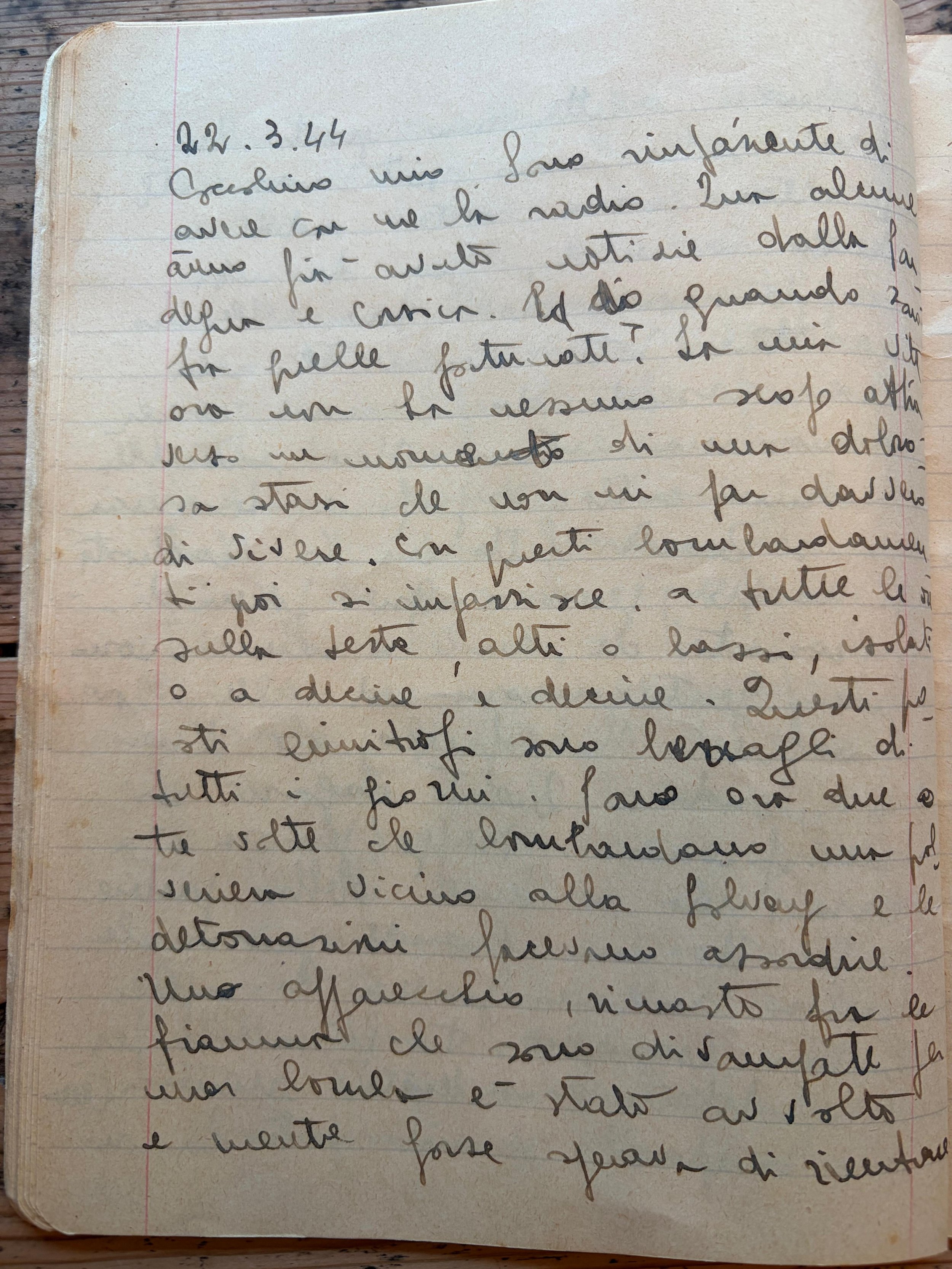
DIARIO 2. 22 Marzo 1944. “A pensarlo, un tempo”
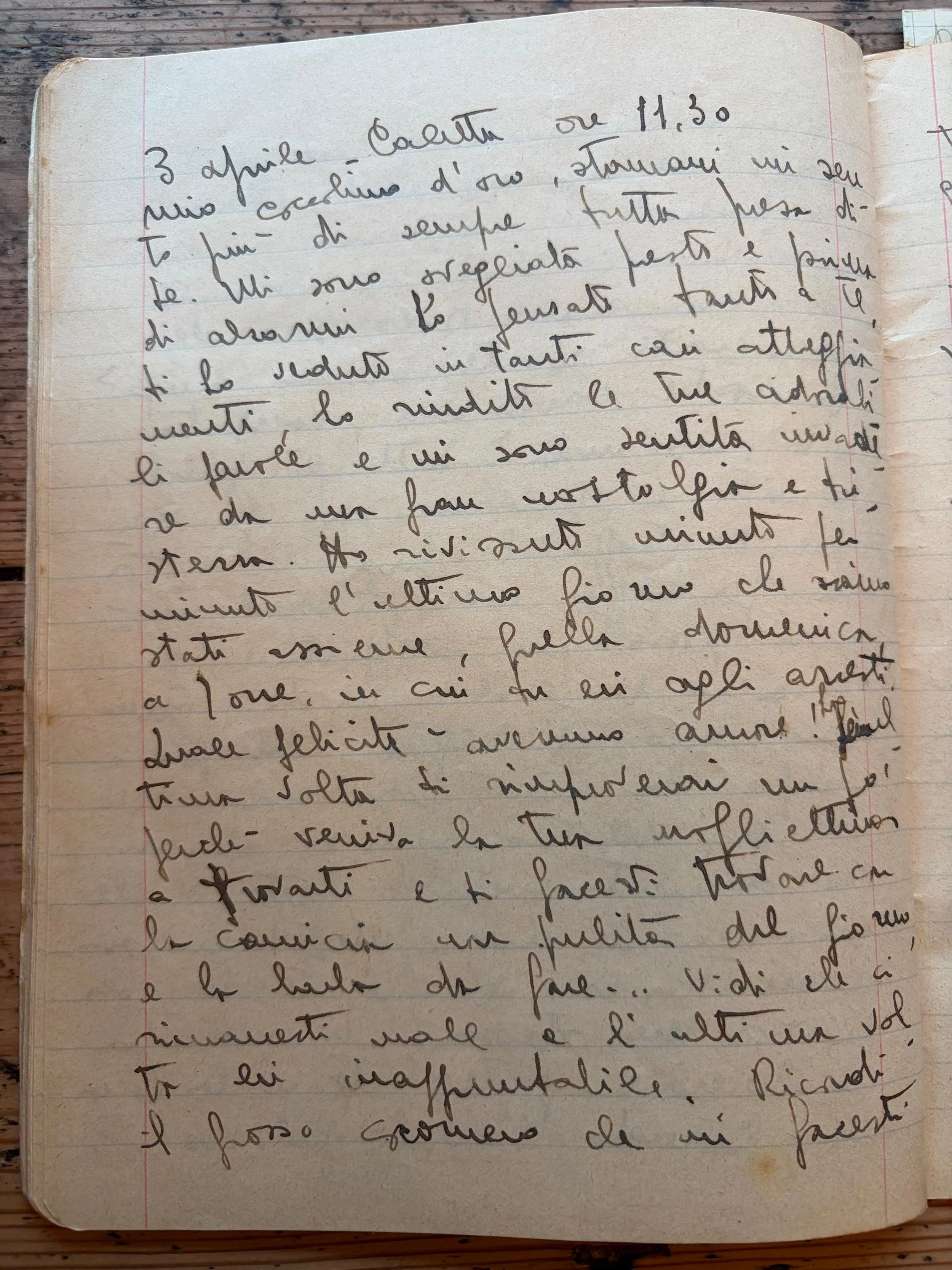
DIARIO 2. 3 Aprile 1944, 11:30am. “Dimagrita”
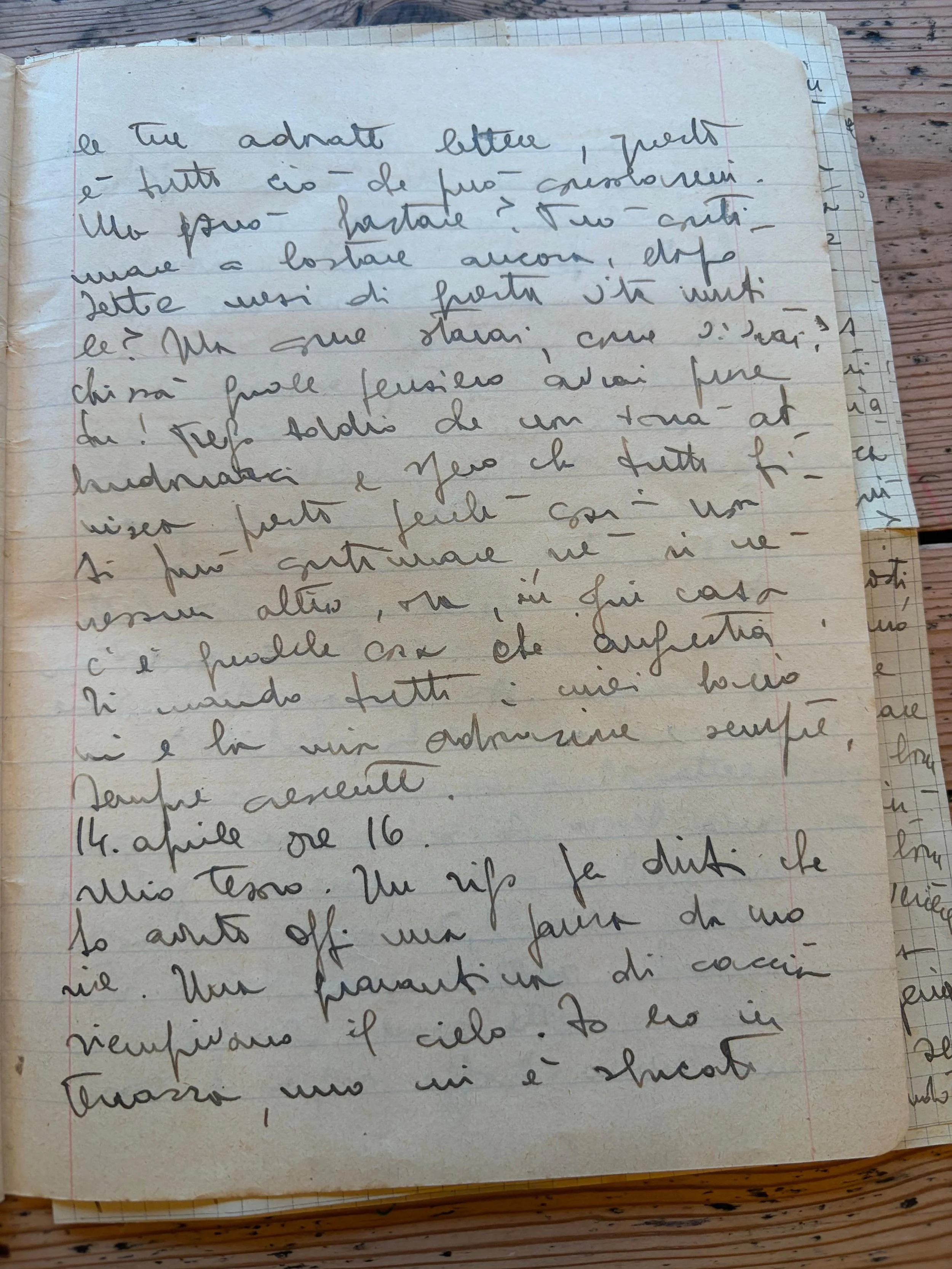
DIARIO 2. 14 Aprile 1944, 4pm. “I caccia riempivano il cielo”
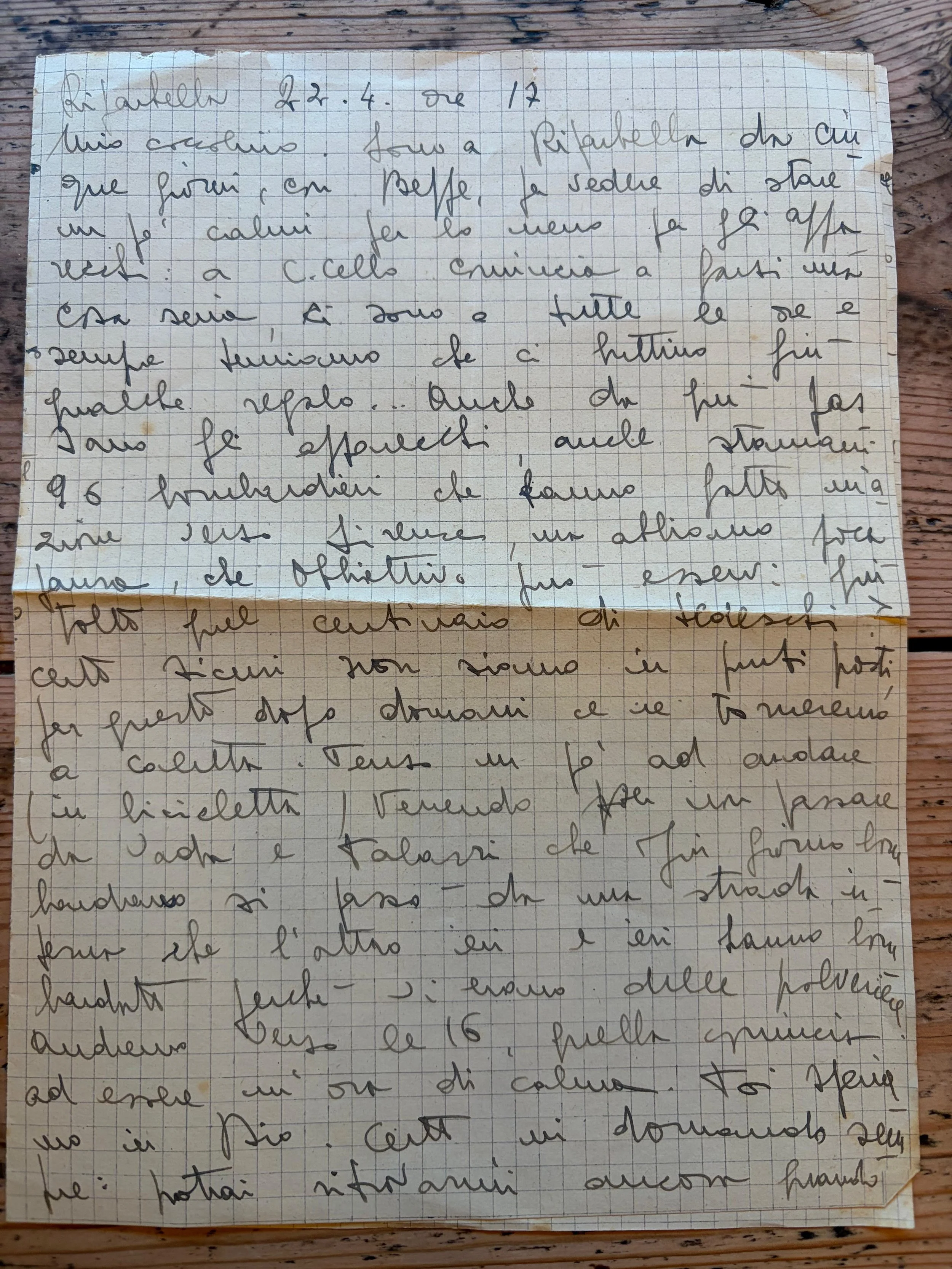
DIARIO 2. 22 Aprile 1944, 5pm. “Il tempo della spensieratezza”
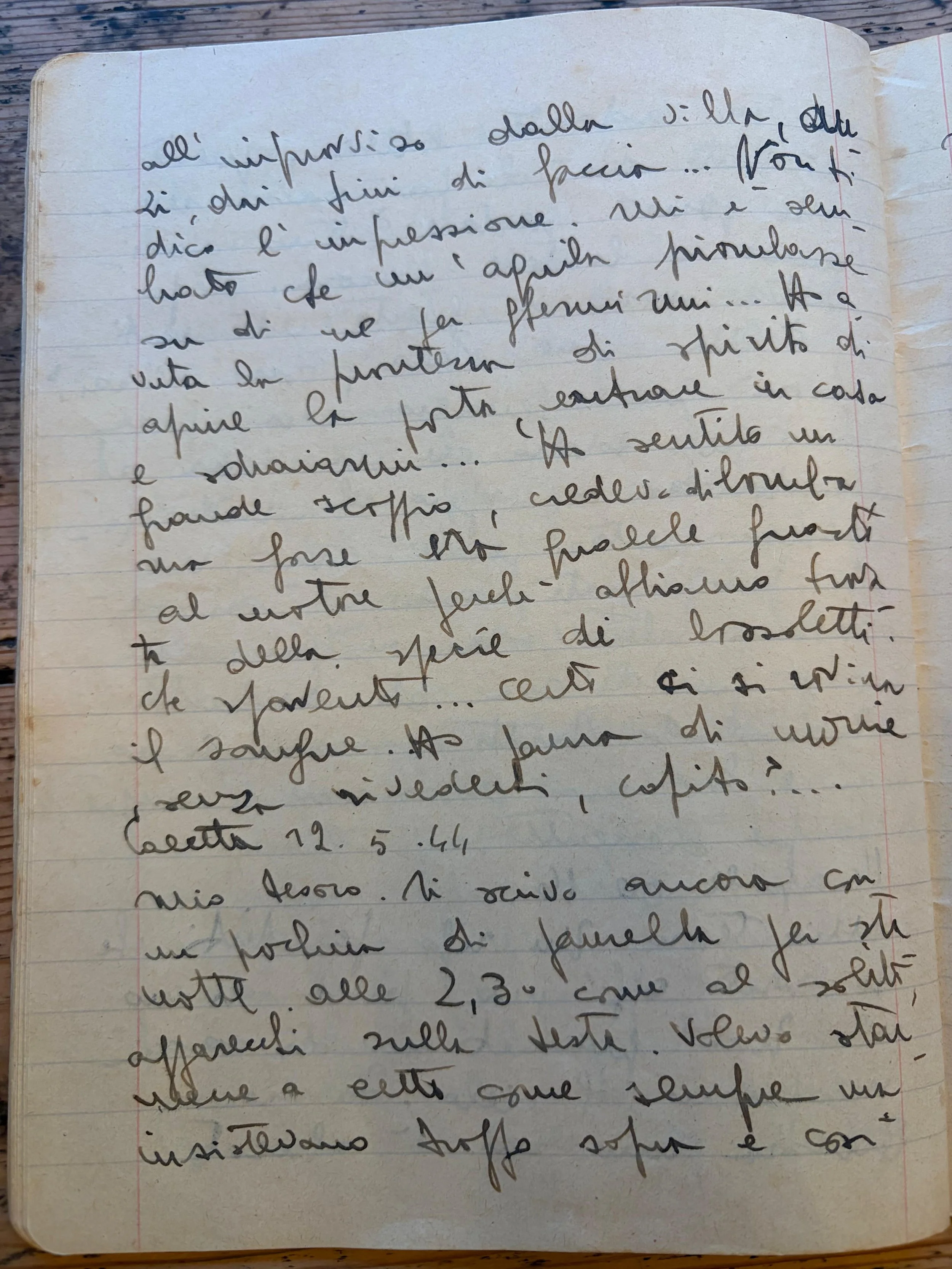
DIARIO 2. 12 Maggio 1944. “Son solo tentativi”
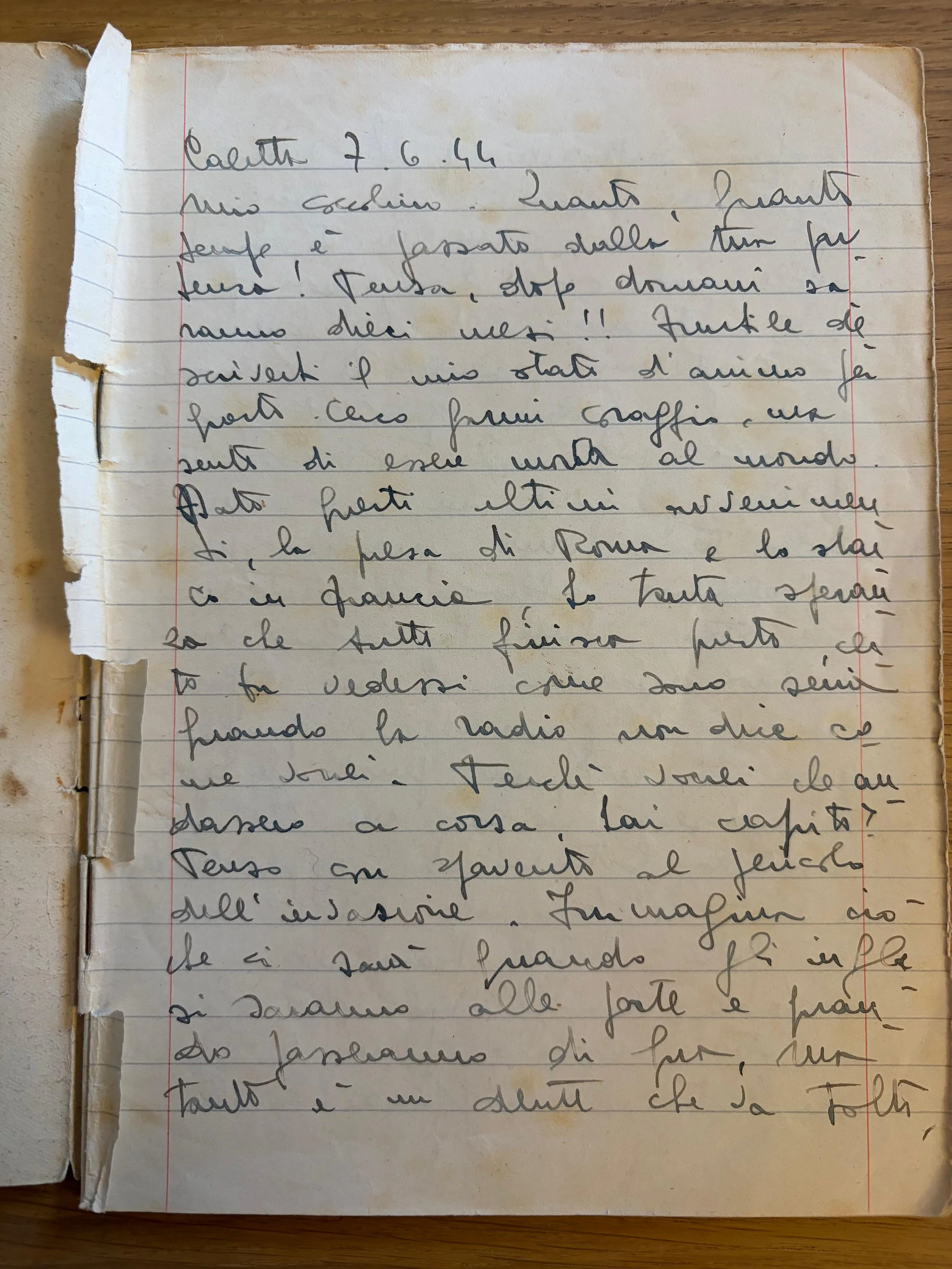
DIARIO 3. 7 Giugno 1944.“Ciliegie”
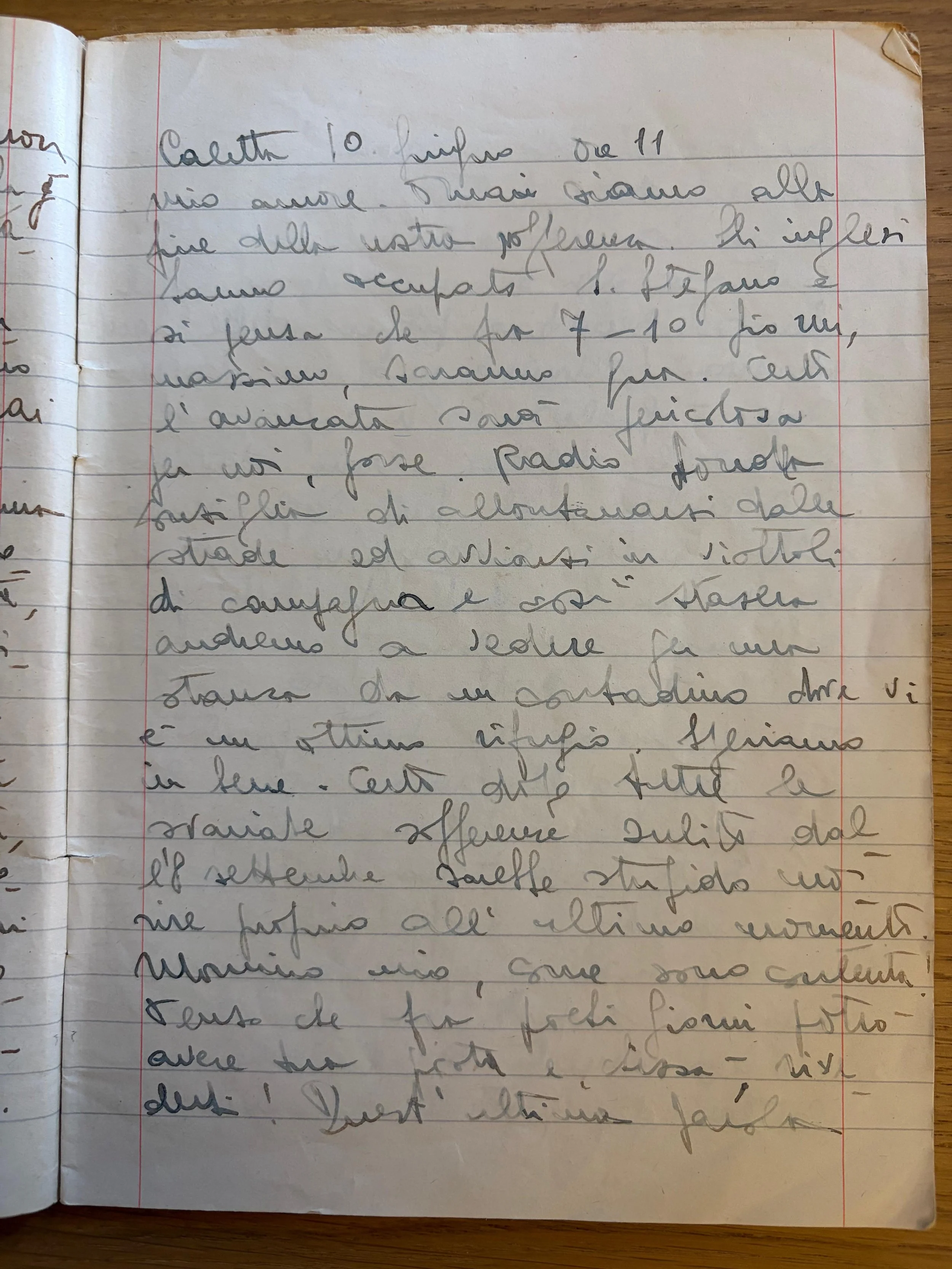
DIARIO 3. 10 Giugno 1944, 11am.“Radio Londra”
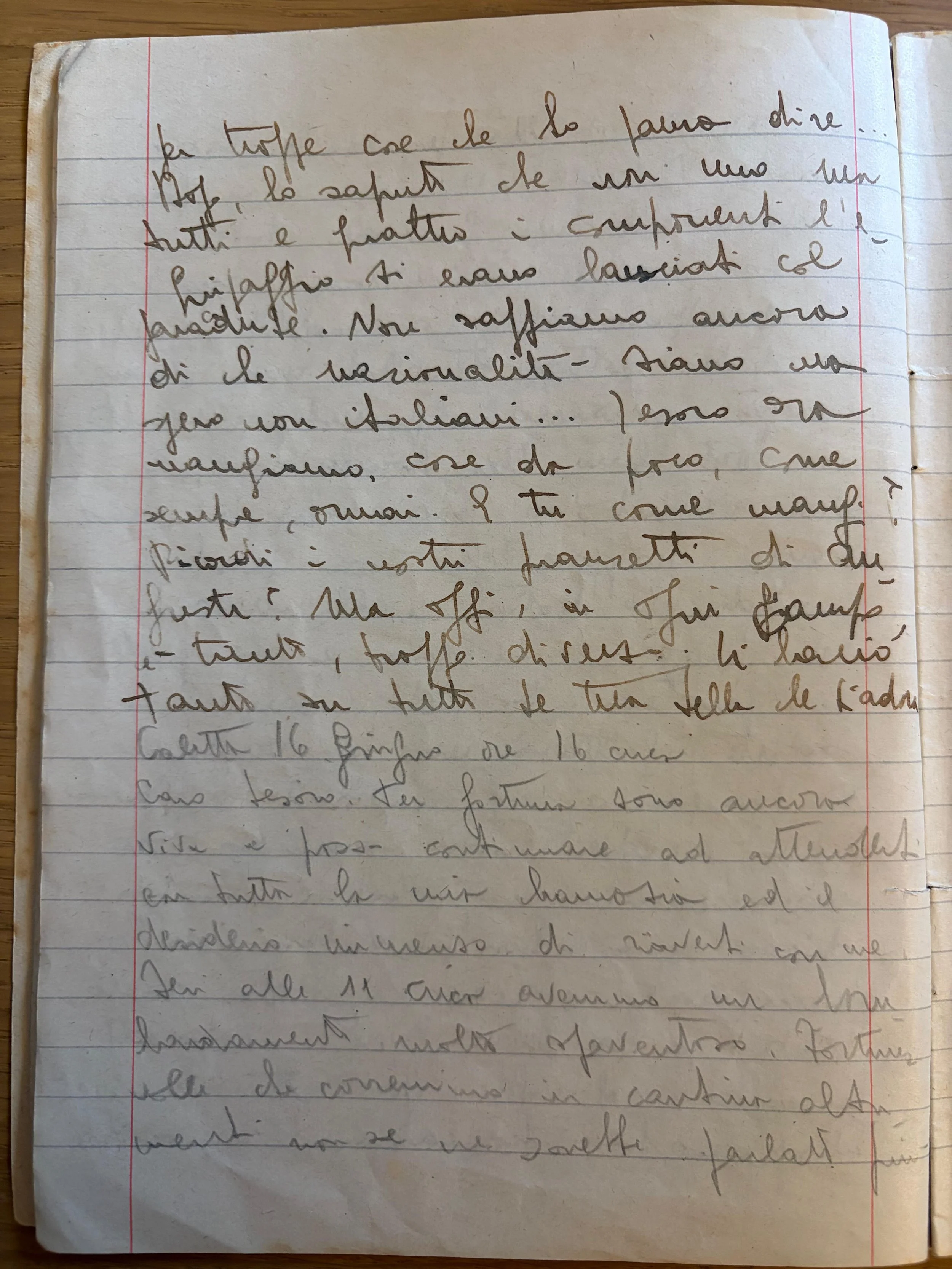
DIARIO 3. 16 Giugno 1944, 11am.“Ancora viva”
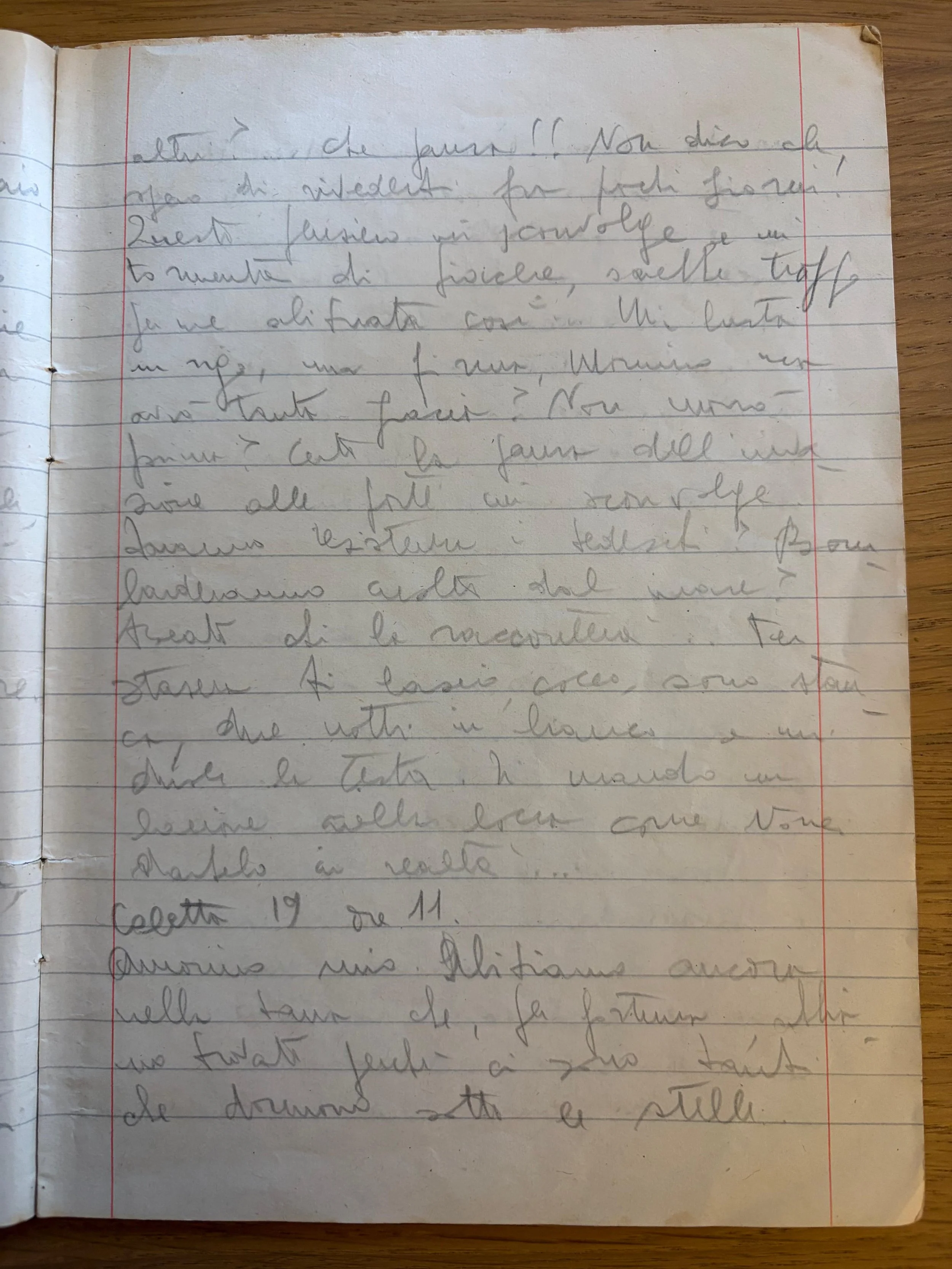
DIARIO 3. 19 Giugno 1944, 11am.“La Tana”
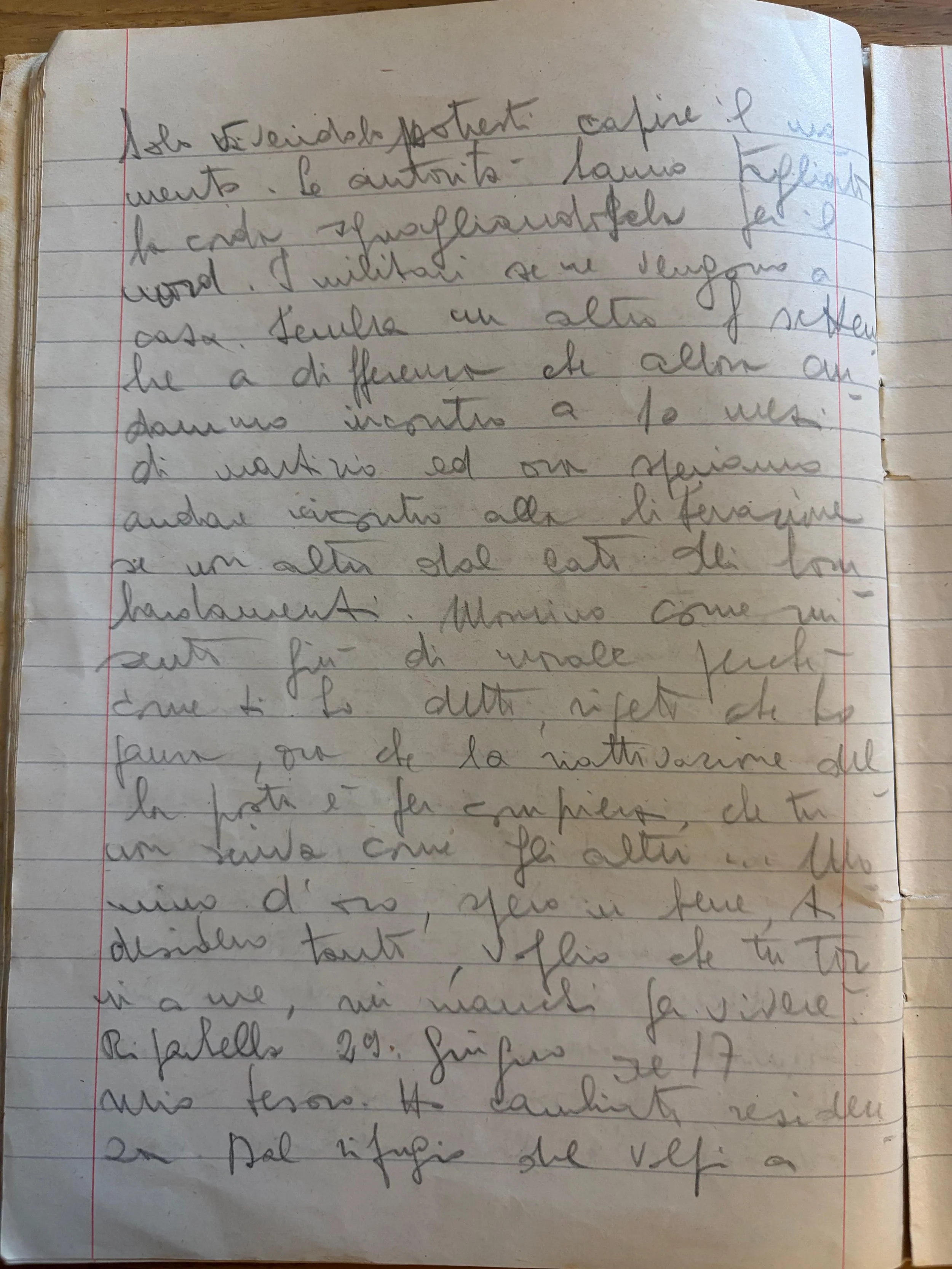
DIARIO 3. 29 Giugno 1944, 5pm.“Di noi, cosa ne sarà”
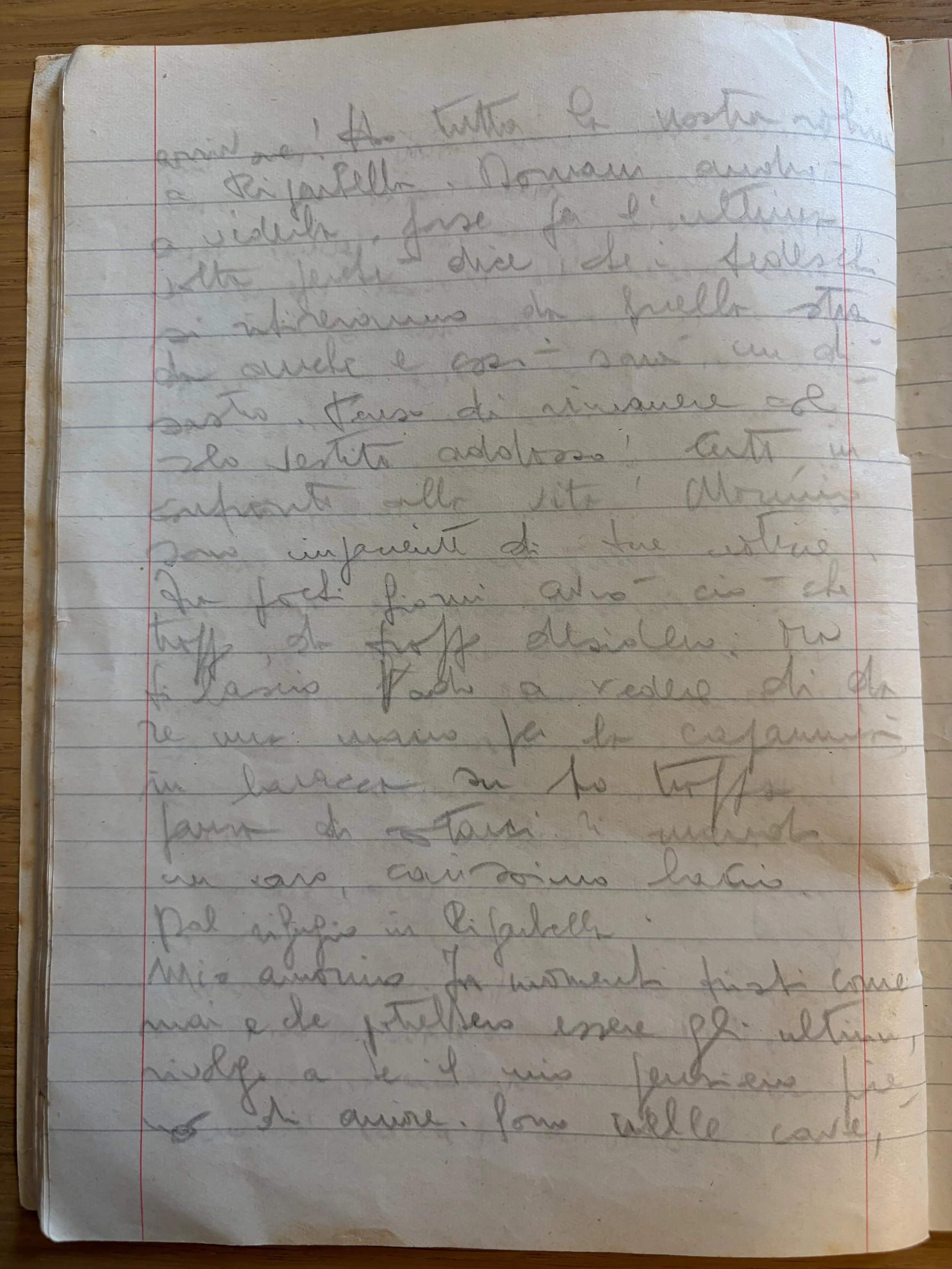
DIARIO 3. 1 Luglio 1944.“La morte del topo”

DIARIO 3. ‘Benedetto’ 3 Luglio 1944. ‘Liberazione, gli Americani’
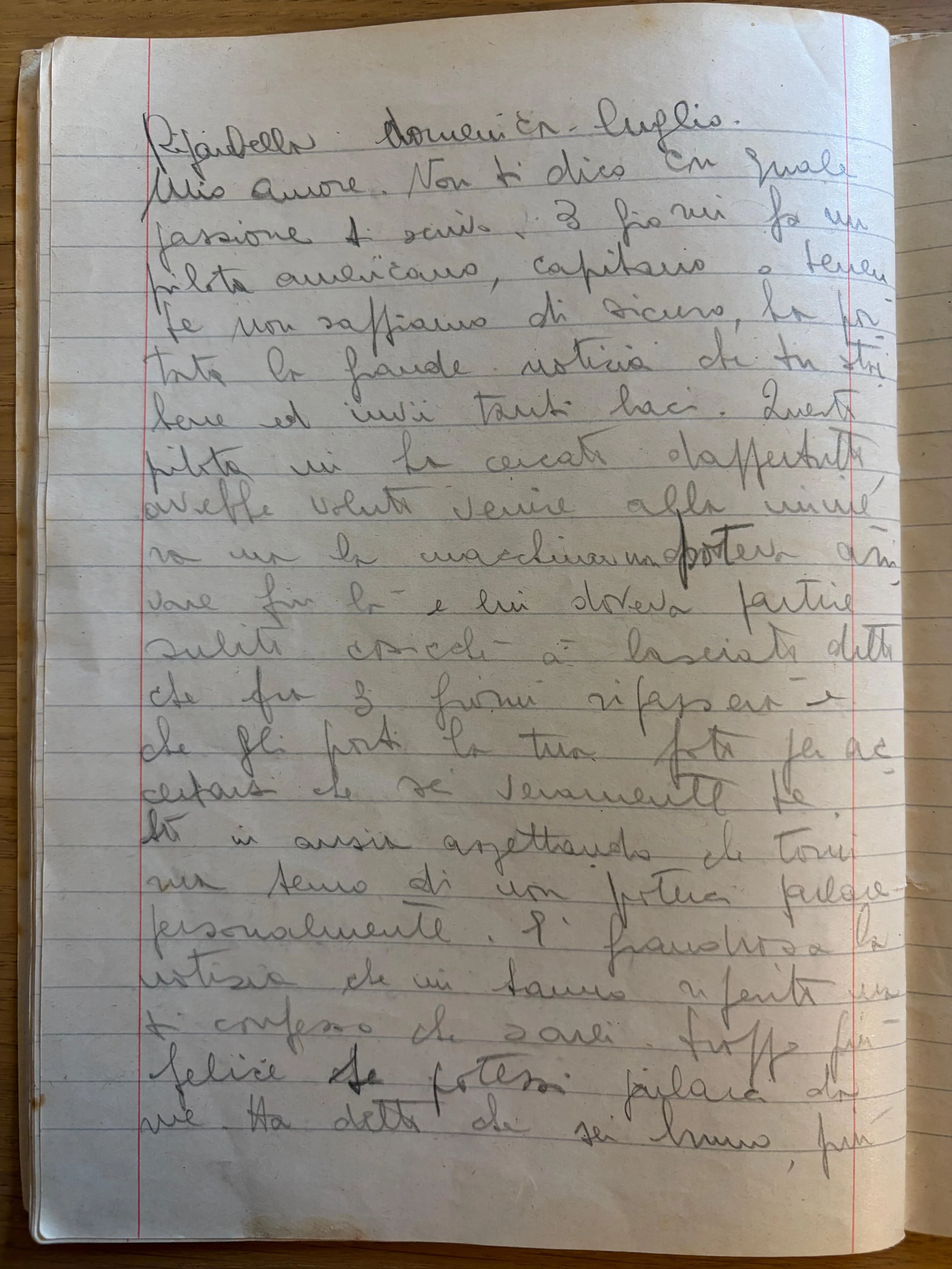
DIARIO 3. 9 Luglio 1944. ‘Mi basterebbe una notte di pace’
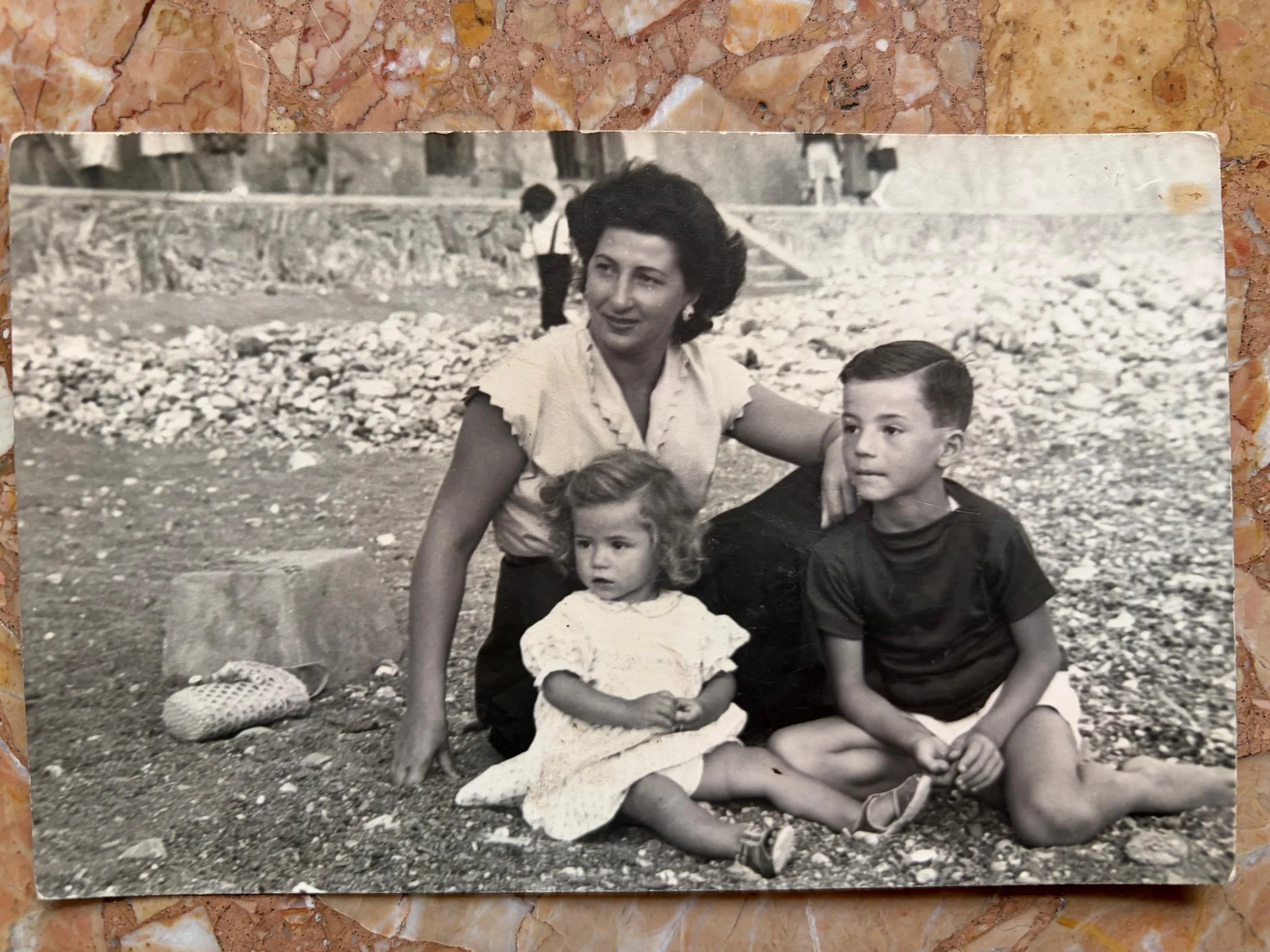
What a difference, a day made
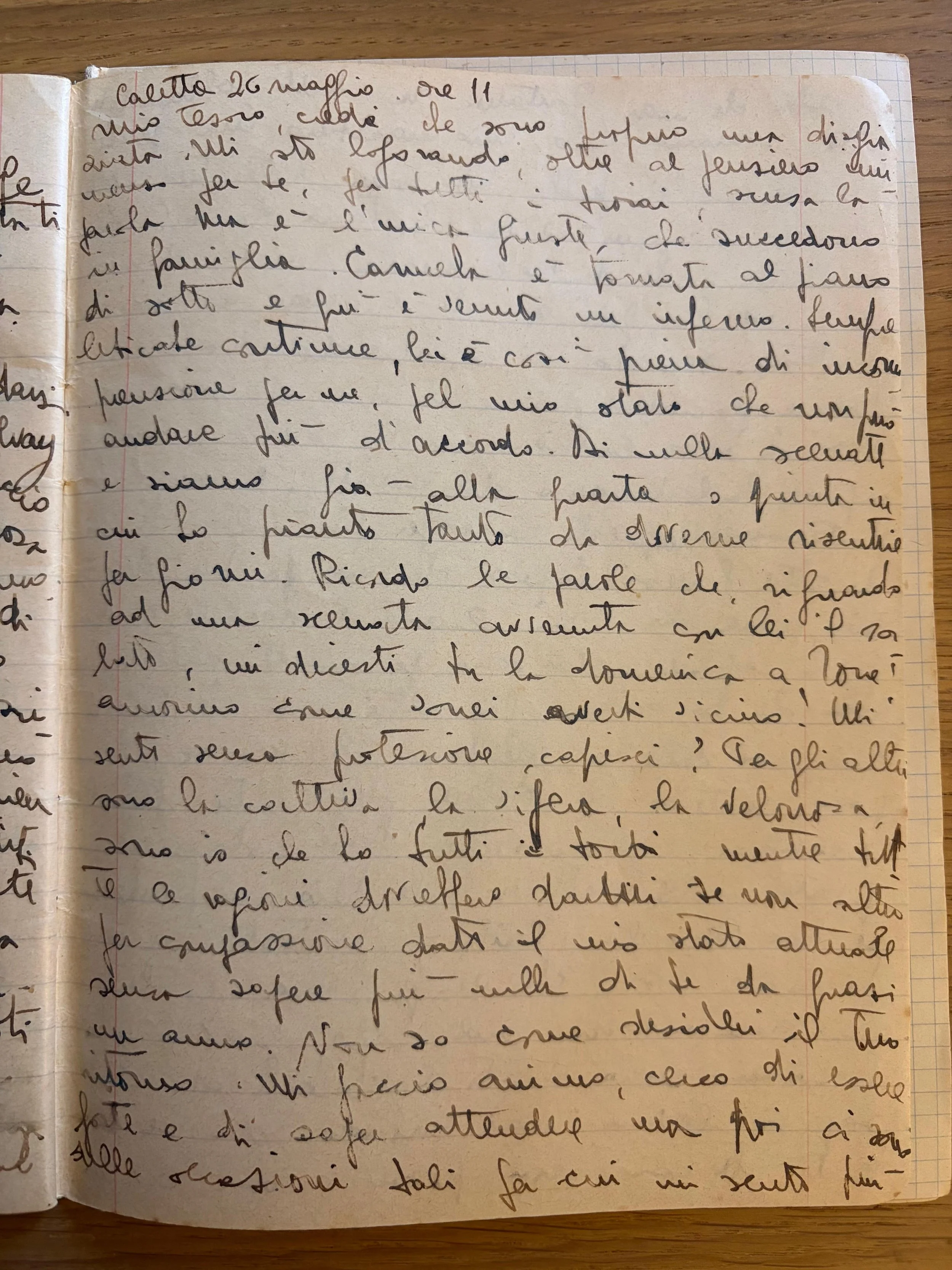
DIARIO 2. 26 Maggio 1944, 11am. “Leticate”
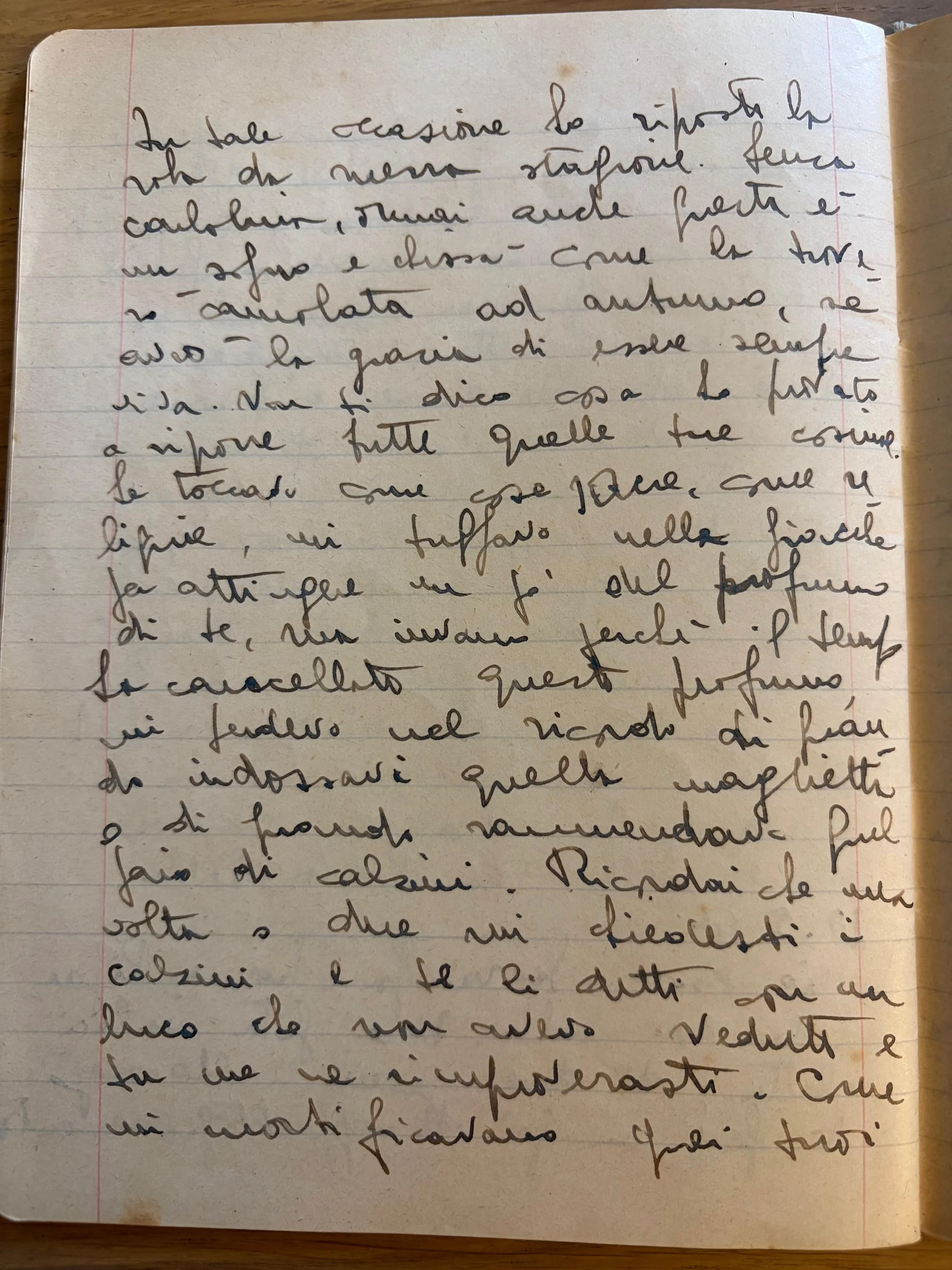
DIARIO 2. 20 Maggio 1944. “Io mi salverò”