What a difference, a day made
The final page of Nonna Lella’s third diary ends on July 9th, 1944. Her last entries are a mix of bone-deep exhaustion and a flickering hope, while the sound of the front line still echoed through the village of Riparbella.
History tells us that this was the turning point. On the very day she stopped writing, Castiglioncello was finally liberated. The village suddenly became a focal point of the war’s end: General Mark W. Clark established his headquarters there, and by August, Winston Churchill arrived to survey the advance. We even found a photograph of the moment Nonna Lella’s nephew, Marta, handed a flower to Churchill himself, an image that became history.
We don’t know the exact day or the specific street where they finally found each other. We’ve asked our family, but the details of that reunion belong only to them. We can only imagine it happened in those incredible final days of the Italian Resistenza, when a pilot’s message finally became a reality. We can’t even imagine the emotion such a reunion must have brought.
What we do know is that they eventually moved to Augusta, Sicily. Nonno Mario continued his brilliant career in the Military Airforce, but under a sky that was finally calm. Together, they began to build back their life. Marcello, our uncle, was born in Taranto on April 10th, 1945, and Diana, our mother, followed in Rome on February 13th, 1950.
They created the beautiful family that we are a part of today, living in Rome for the rest of their lives, and spending long summers with us in that very Castiglioncello house where those diaries had been written.
The diary ends here, the war became a memory, and the rest is our history.
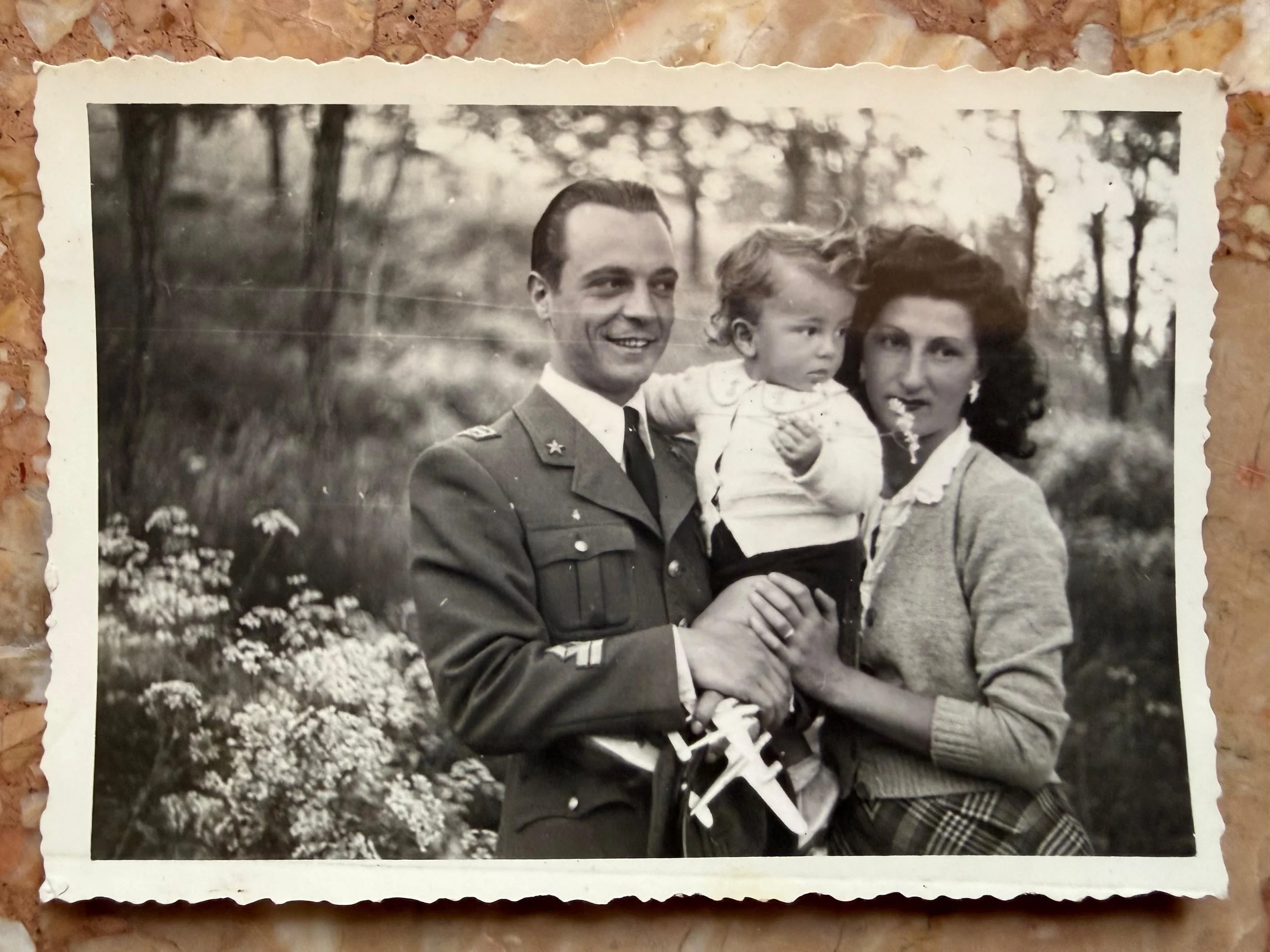
Nonno Mario and Nonna Lella with Marcello - 1947
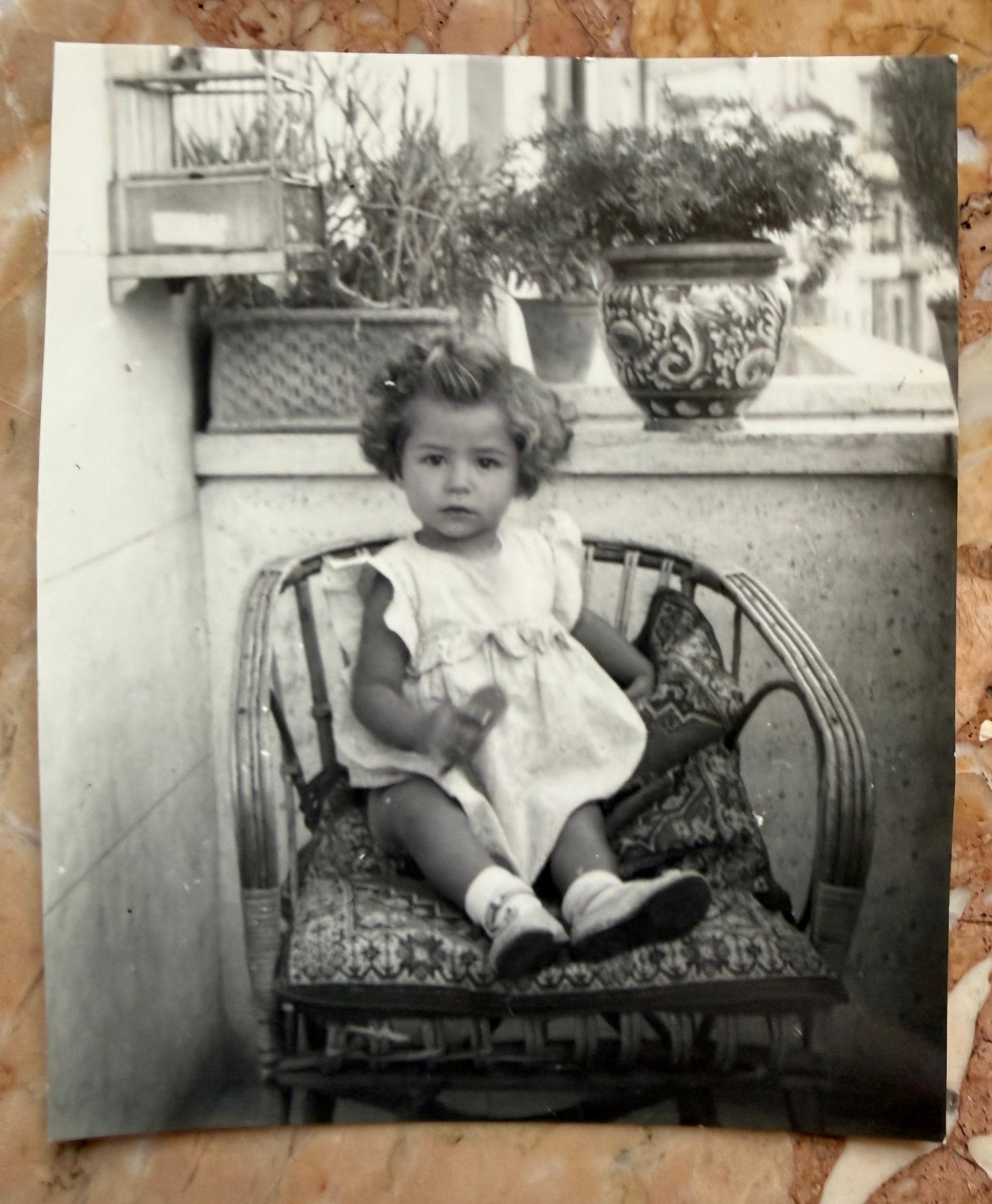
Diana, Rome - 1953
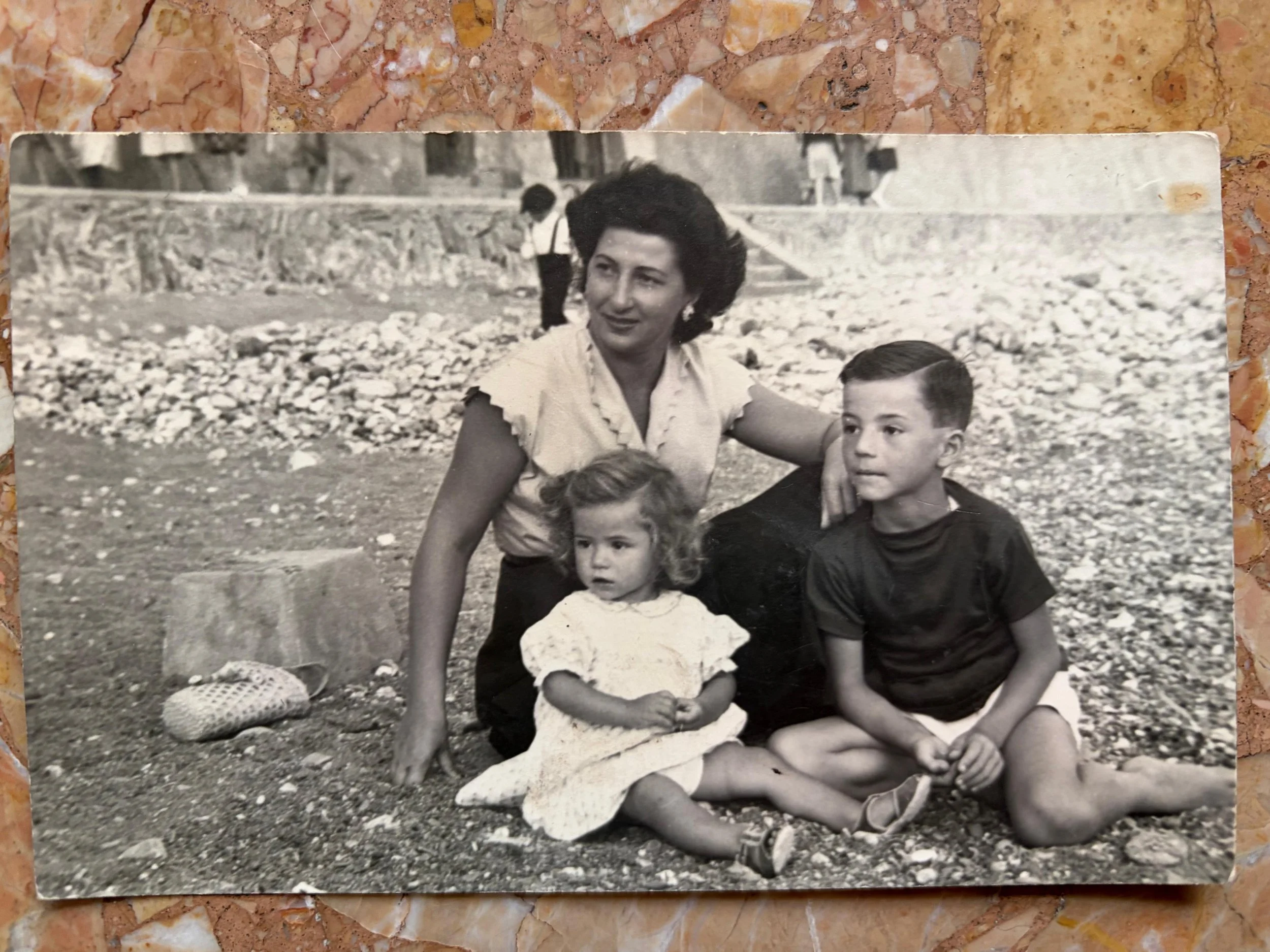
Nonna Lella with Diana and Marcello, Castiglioncello - 1953
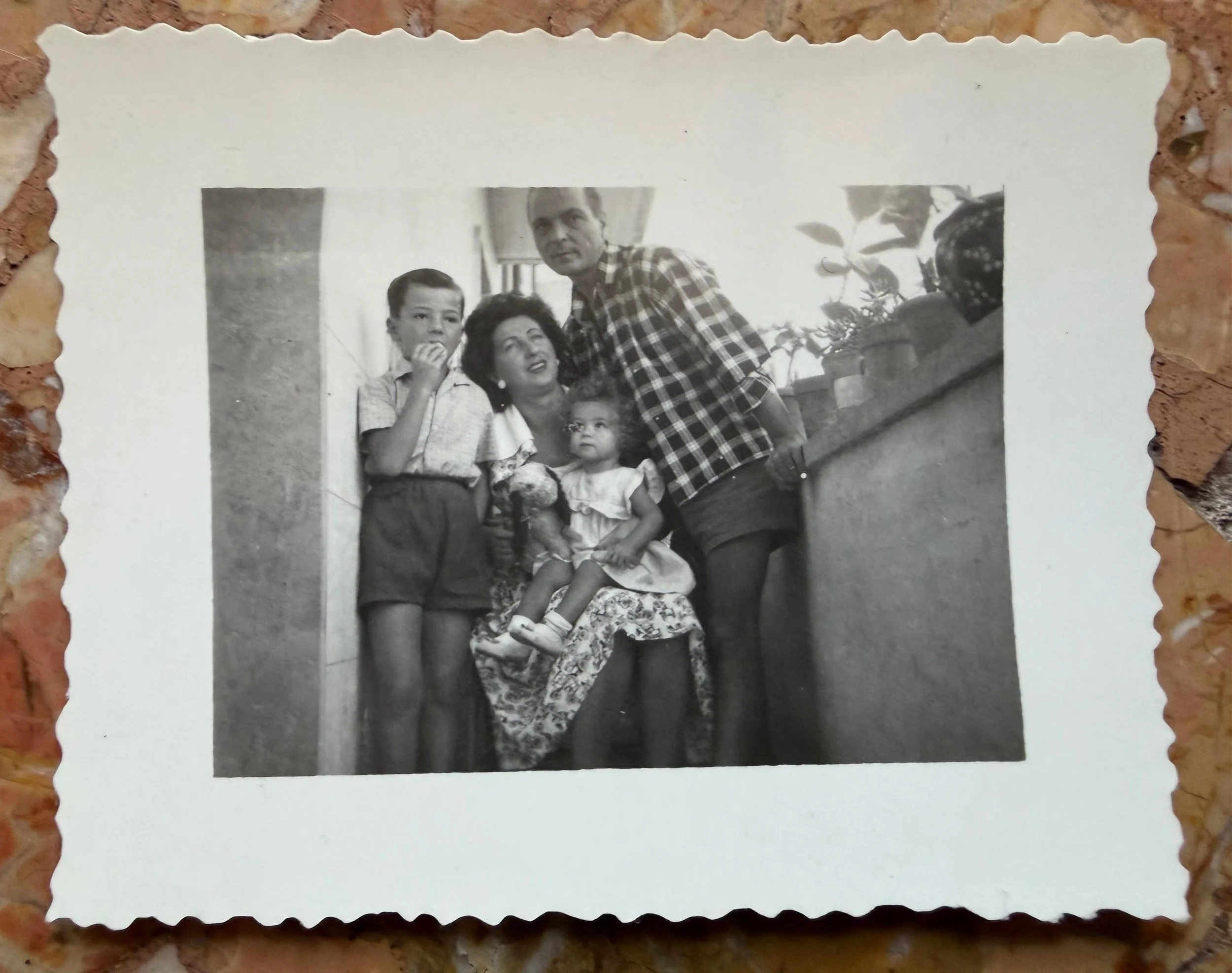
In Rome - 1953
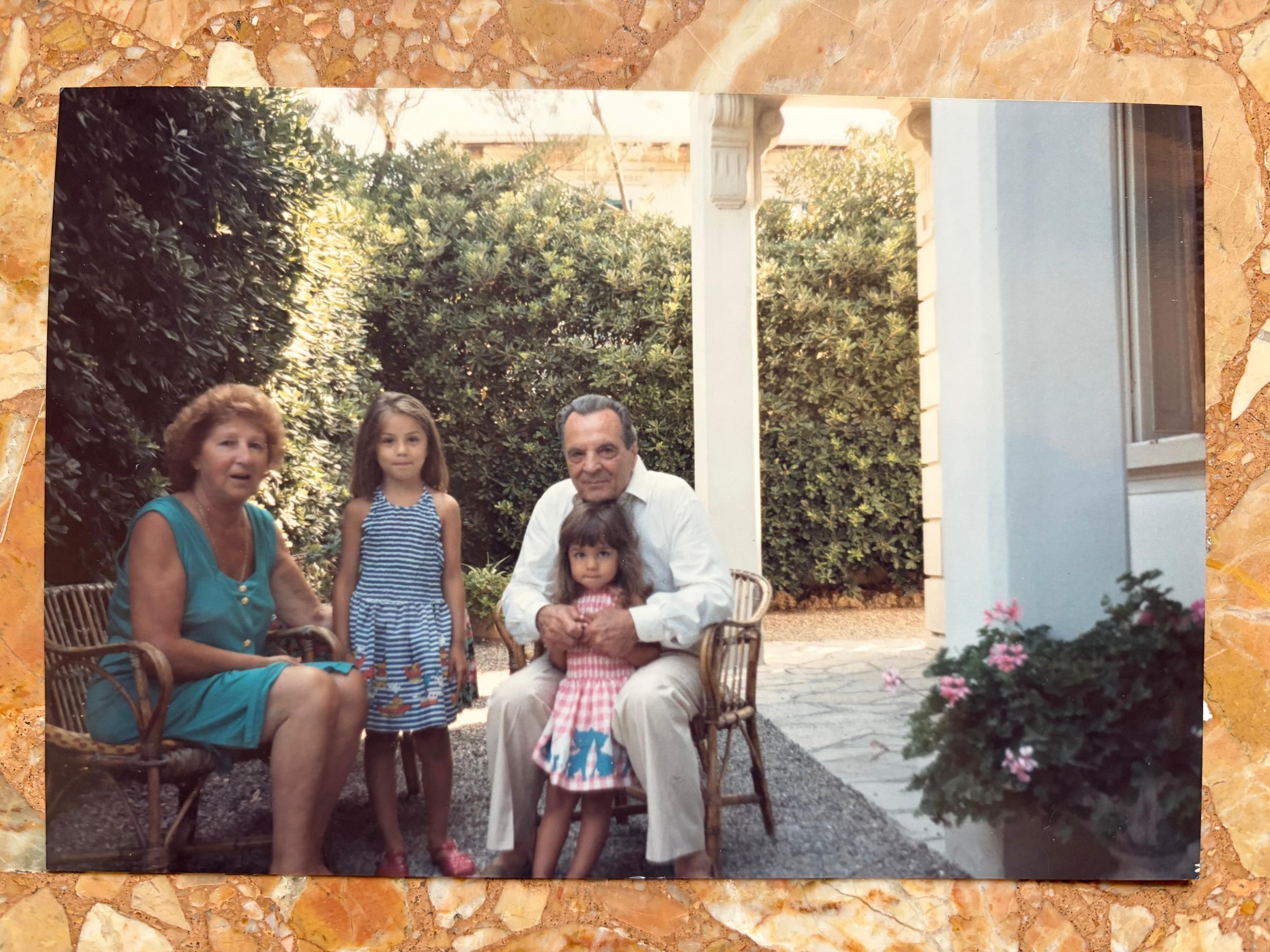
Us with Nonni in our Castiglioncello house - 1993
