Our Grandmother’s war diaries, discovered sixty years later.
A story of love, hope and resistance along the Tuscan coast during World War II.
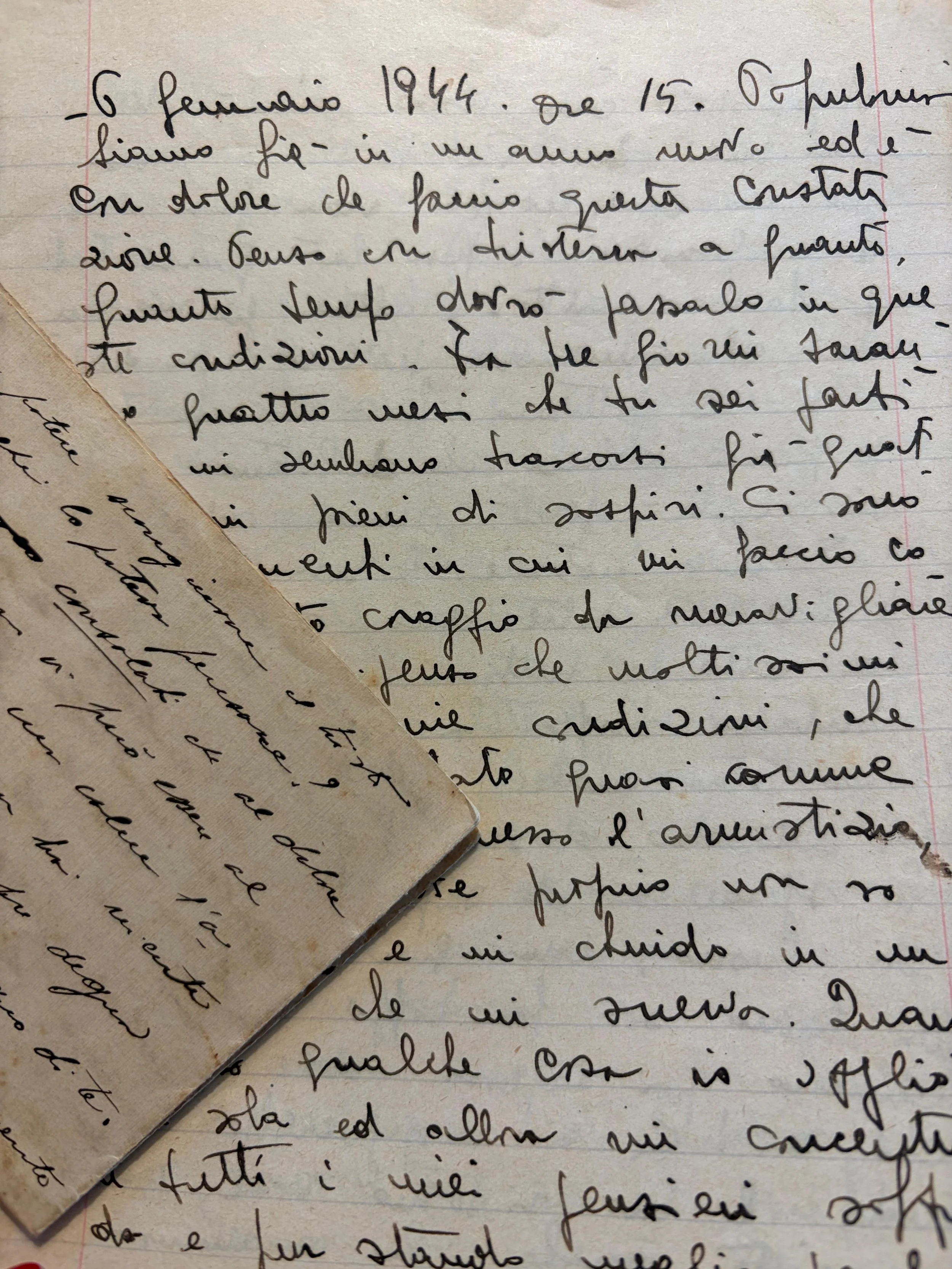
When our grandmother Raffaela -“Lella” to her family and friends - passed away back in 2005, we believed we already knew all the stories she had chosen to tell. She was a generous and articulate storyteller, very vivid and precise in her memories, and we felt sure nothing essential had been left unsaid.
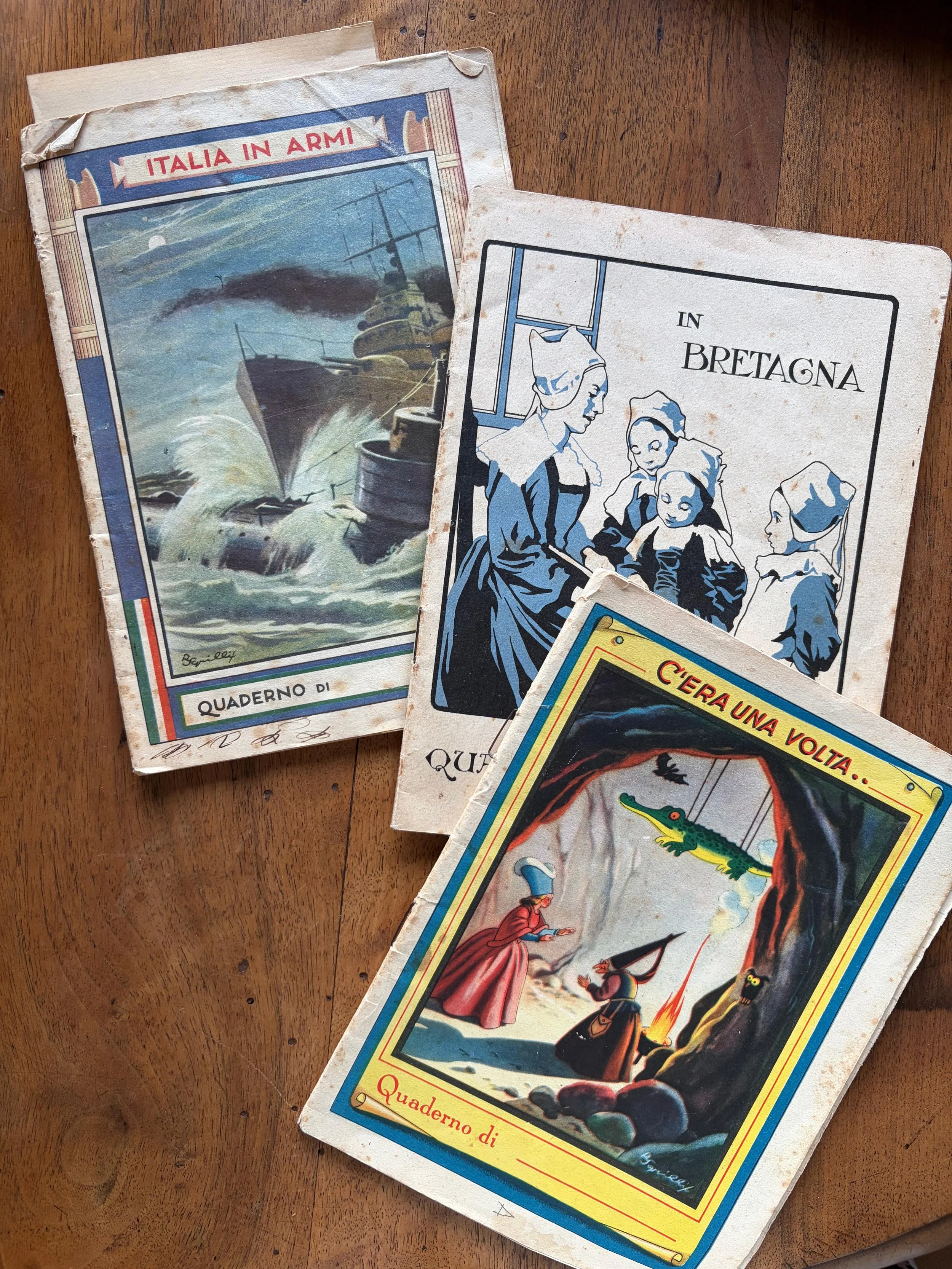
It was only later, while emptying her closets (that painful ritual that follows the loss of someone you love) that we discovered three small, time-worn notebooks, carefully tucked between folded silk scarves. From the outside, they resembled children’s school exercise books, softened by age, their covers marked with faded illustrations. Inside, however, we found something entirely unexpected: they were her hand-written accounts of life during the last two years of World War II.
The pages spoke of days spent sheltering from air raids in our Tuscan hometown of Castiglioncello; of constant fear, hunger, and uncertainty; and above all, of the long, devastating 11 months without news from our grandfather Mario, who had gone missing while serving in the Italian Air Force and fighting against the Nazi regime. The emotions held within those pages felt as vivid as the notebooks themselves. These diaries had waited in silence for decades: Nonna Lella had never spoken of their existance, not even to her sons, and we had never imagined she had written, let alone hidden, something so intimate and profound.
For a long time, since that discovery, we asked ourselves what to do with these diaries: we felt the responsibility to give them a purpose and devote to them the time and space they deserved. Those pages contained important pieces of History the world should never forget, and which we felt the duty to preserve. That moment finally came in November 2025, when this became a true family project.
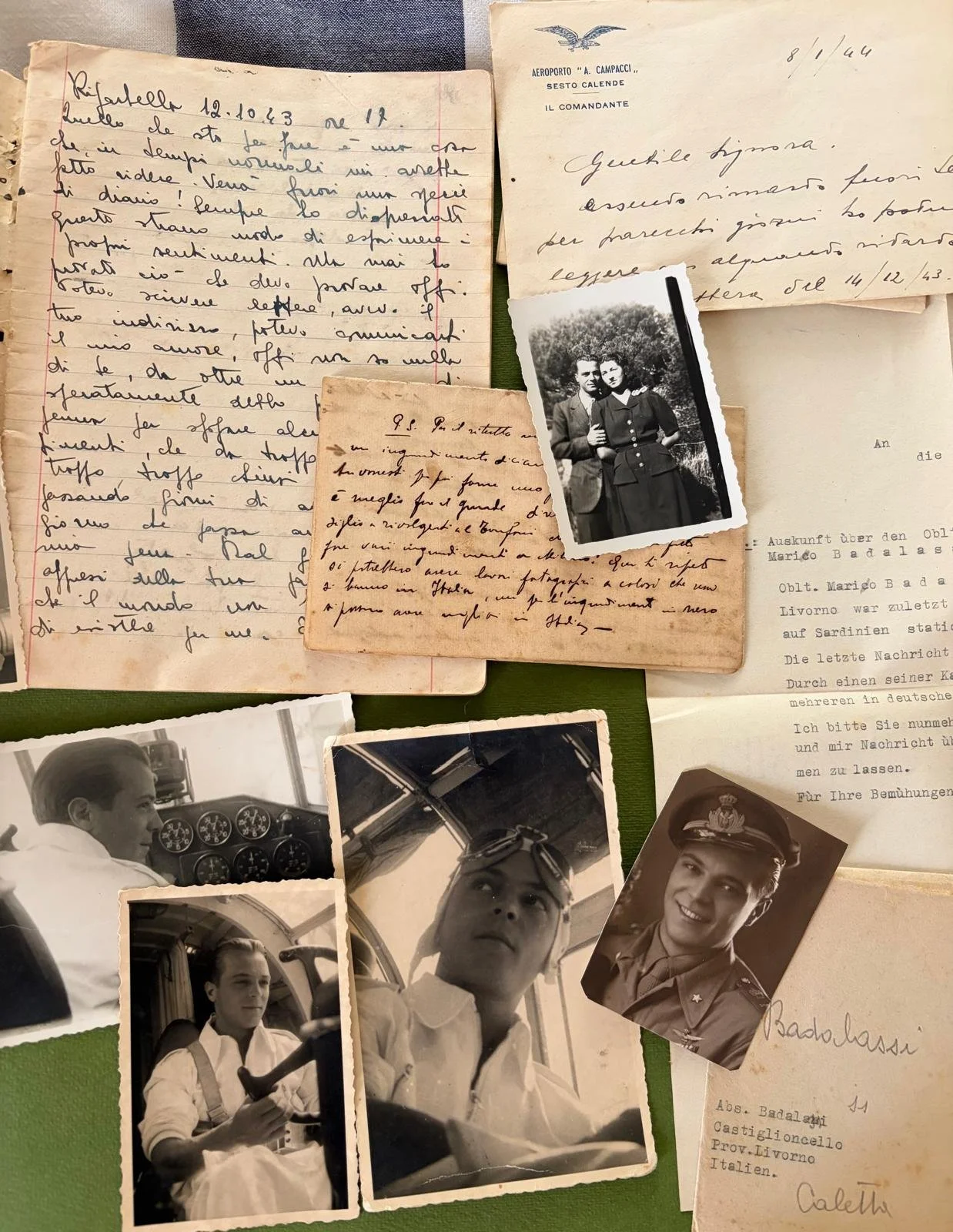
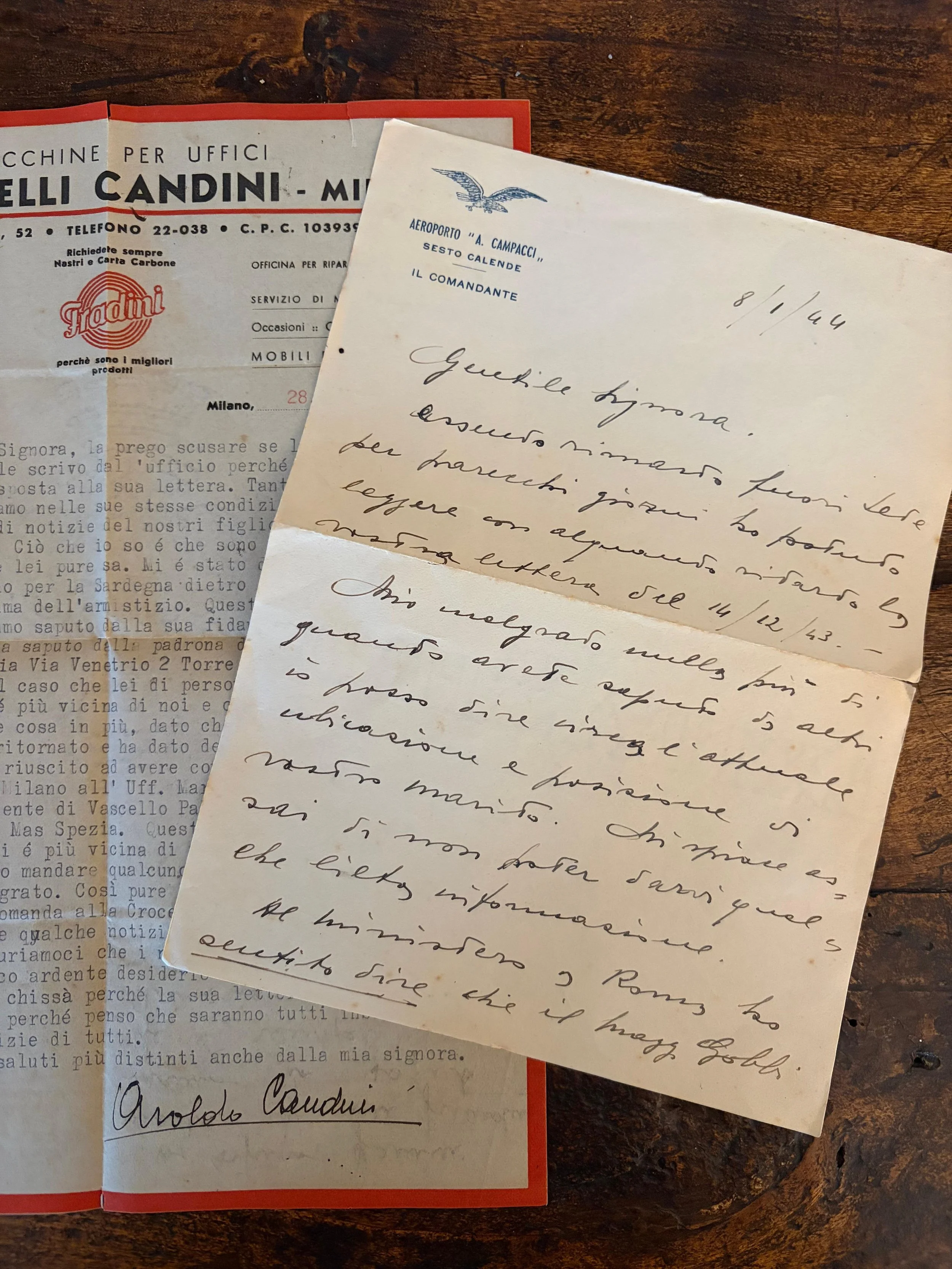
We began by reading every line of the three notebooks: a slow, careful process, often challenged by fading ink, pencil marks, and intricate handwriting. Each page was then scanned and transcribed, while we searched for further traces of this story in our extensive family photo albums (spanning from 1910 to 1985) and in letters that had remained untouched for decades.
Over countless espresso coffees and voice notes, we spoke with our mother Diana and our maternal uncle Marcello. Through forgotten notes tucked behind photographs, half-remembered anecdotes, and iterative conversation, fragments of a past we had never fully known began to surface. Gradually, we pieced together a fuller picture of our family’s history, alongside the historical context in which these events unfolded.
We have preserved the diaries in their original Italian to retain the integrity and emotional truth of Nonna Lella’s voice. Alongside them, we offer faithful English translations, so that readers beyond our family and our native language can equally understand and treasure her words, and through them, a more intimate history of those difficult times.
The Secret Pages Left Behind
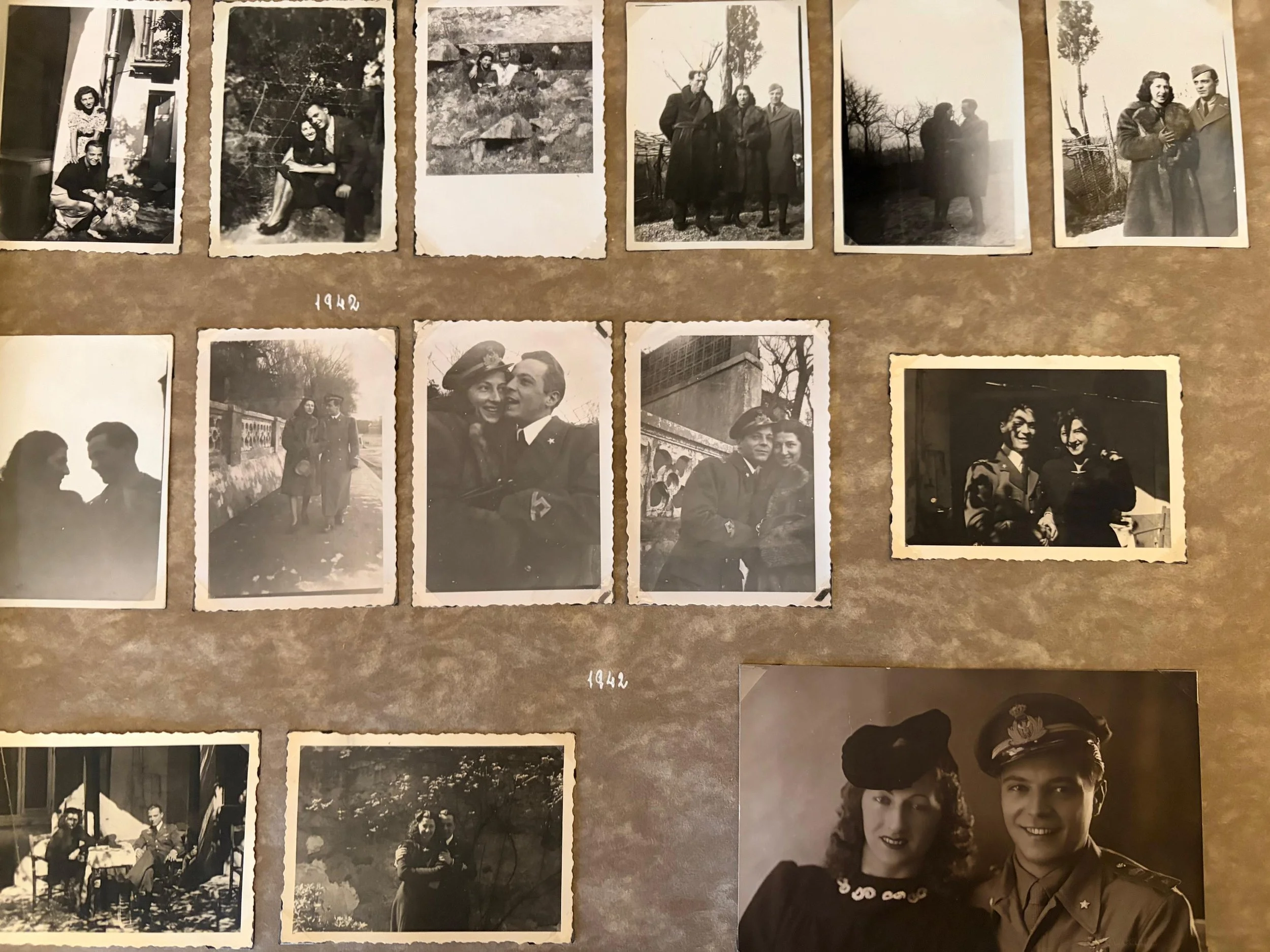
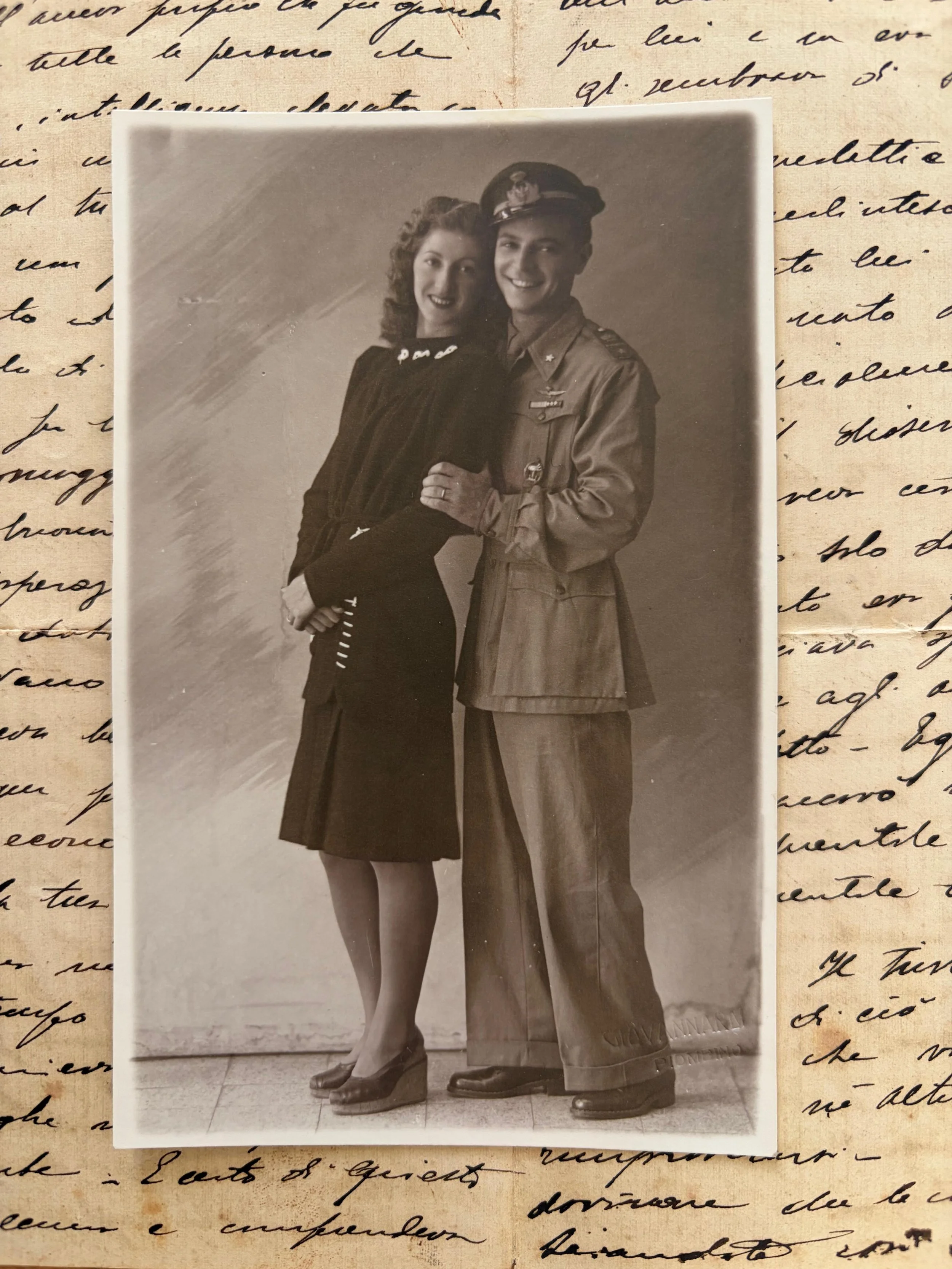
“The Castiglioncello Diaries” is project born to preserve our Grandmother’s voice and safeguard the memory of what it truly meant to live through those years. It is a love letter to our extraordinary grandparents, to the family they built and to our hometown, Castiglioncello. It is also an invitation to get in touch with a more intimate side of history: not just through dates or battles, but through the lived experience of one young woman navigating fear and hope during one of the darkest chapters of the twentieth century.
Working together as a family, through the careful act of reading and transcribing these precious pages, we came to know Nonna Lella in ways we never had before. Decades after her passing, her presence felt even closer. This, above all, has been the greatest gift of this wonderful process and project.
During this process, we uncovered parts of our family history we had never known, some of those leaving us in awe, like her hiding for days in a cave fifty metres underground during the final days of Tuscany’s liberation from the Germans. We learned to recognise her handwriting, even when penciled in near darkness; some pages were faint, hurried, or interrupted, while others were carefully composed, as if writing was her only way to stay sane. We also came to know her vocabulary, her Tuscan idioms, her expressions, and often imagined her in each moment: in her room, on the terrace, or deep inside a cave; alone or with her family nearby. Every page, no matter what, carried her constant thoughts of Mario: wondering if he was warm enough, if he was eating enough, if he still carried a picture of her. She was terrified that her memory might fade away.
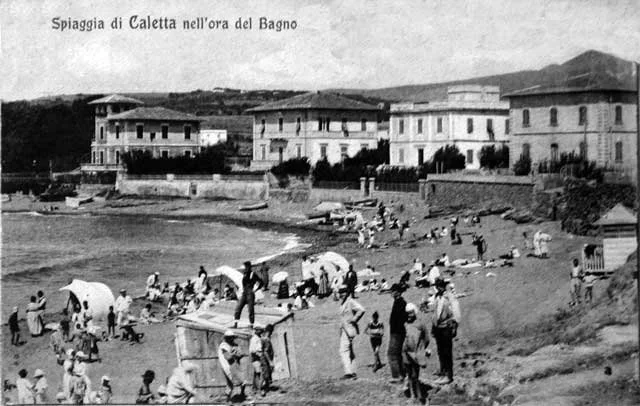
The history of Castiglioncello, our hometown, also revealed itself anew: no longer only the beloved coastline of our childhood summers, but a place of resilience and Italian Resistenza during the War. We crossed it with a deep dive on historical war events that happened in that area, and we came to feel our homeland in a way we never had before, closer to our hearts than ever.
This is our personal tribute to those who stayed behind, to the families who endured the most terrible circumstance while waiting news of their loved ones, and to the courage of the Italian Resistenza - and a reminder of the private cost of war and that wars should never, never exist.
Grazie, Nonni.
Her Voice, Our Family History