Castiglioncello
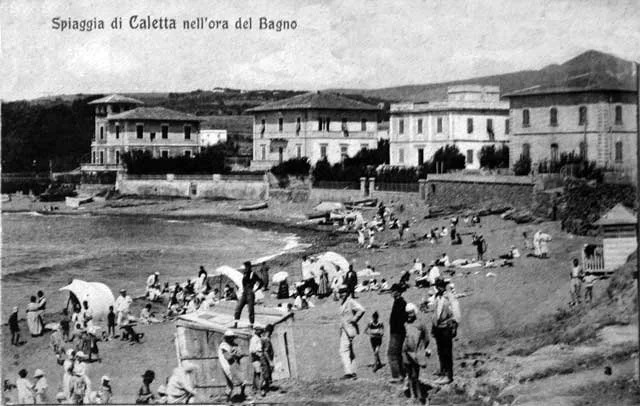
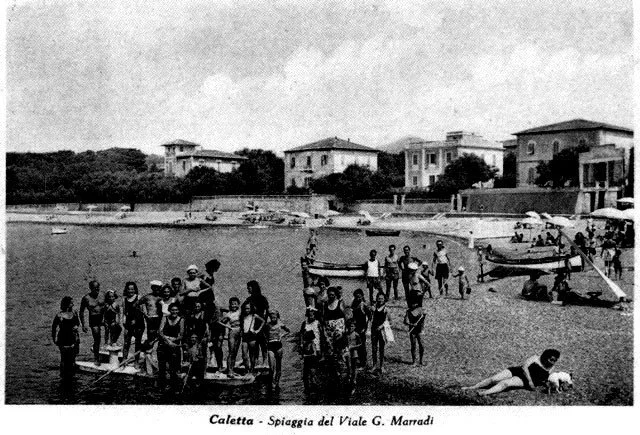
By the early twentieth century, Castiglioncello (or Caletta, as locals still call it) was already an alluring seaside retreat: a place of light and leisure, known for its elegant villas, dramatic cliffs, crytalline water and a landscape that had long drawn artists and thinkers. The Macchiaioli found their colours here, and early filmmakers began to recognise its cinematic power. Between the quiet authority of Castello Pasquini and the gentle rituals of summer life, this coastal village carried a refined, anticipatory energy - an early echo of the Dolce Vita that would fully emerge after the War.
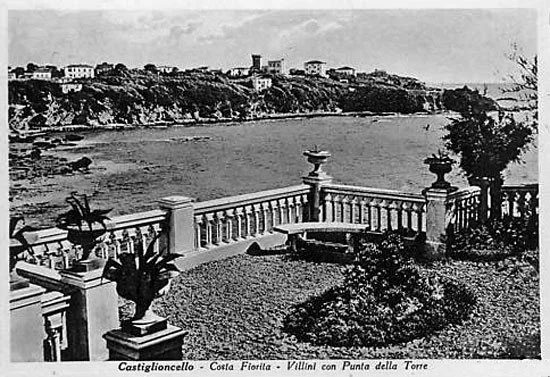
In 1908, Nonna Lella’s Grandparents built their family house here, calling it “Villa Carmela” after their first daughter and anchoring it to this stretch of coast you can see in the image below. During the war years, this became Nonna’s refuge and her horizon: the place where she waited and endured. While the world outside fractured under bombings and shifting fronts, sometimes over the bay in front of her house or above her head, life within these walls continued in a a completly different register.
Today, that same house remains our beloved family summer home. It has outlived conflict and generations, holding within it the presence of those who are no longer with us and the joy of summers together. For us, Castiglioncello is a place of immense happiness and a precious ground where past and present meet, and where we truly feel what home truly means.
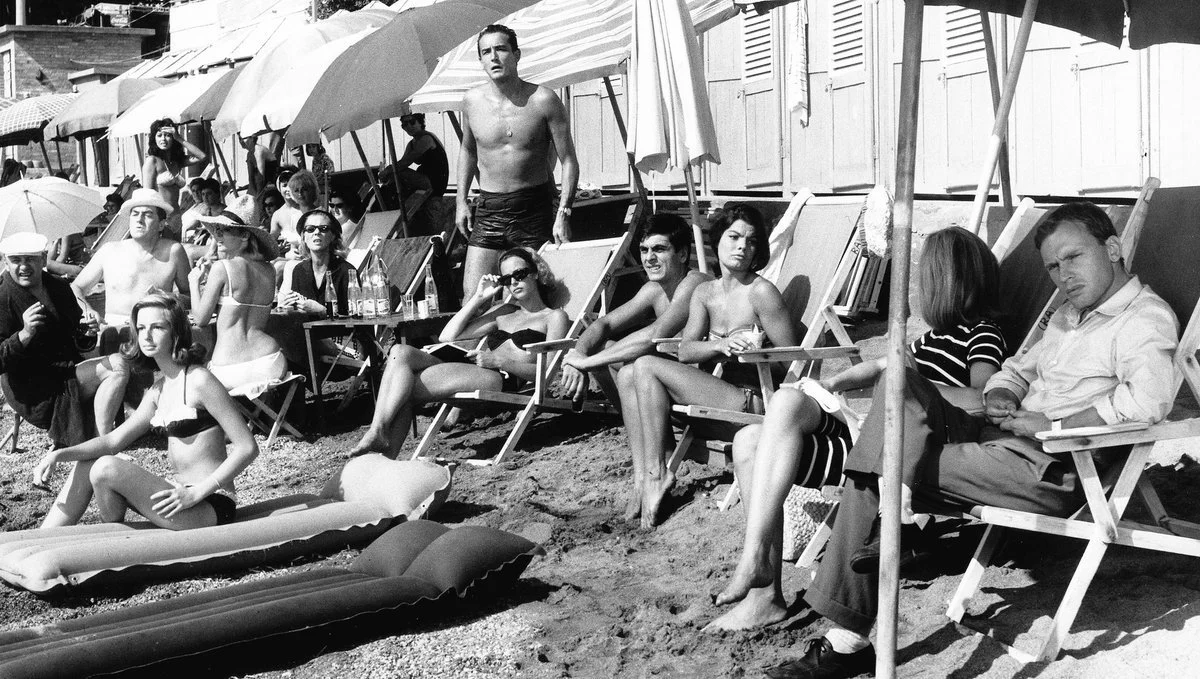
In the years after the war, as Italy woke up from the nightmare years of the War, Castiglioncello became part of Italy’s Dolce Vita landscape: a place where the sea, the light, and the rhythm of summer life inspired artists and filmmakers alike. By the 1960s, the village found itself on the silver screen. Scenes from Dino Risi’s iconic film Il Sorpasso featuring Vittorio Gassman were shot along its beaches and streets. In that era of cinema and possibility, figures like Marcello Mastroianni helped define a new Italian confidence, and places like Castiglioncello shared in that sense of stylish freedom and rediscovered joy.